
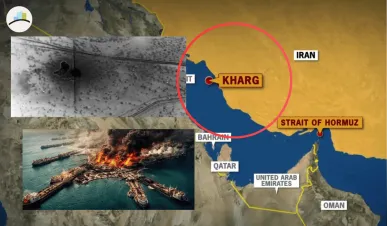
In the latest escalation of the Iran-Israel conflict, Kharg Island, one of Iran’s most critical oil export hubs, was bombed by U.S. military forces. The strike targeted military installations on the island, which serves as the primary oil export terminal for Iran, handling a significant portion of the country's crude oil shipments.
Trump just bombed the hell out of Kharg Island, Iran's most critical oil export hub.
— Mario Nawfal (@MarioNawfal) March 14, 2026
Earlier today, the Pentagon approved the deployment of 3,000 Marines and sailors.
I really, really, really hope this is not preparation for boots on the ground.
I refuse to believe this is the… https://t.co/eJi5YbPxKT pic.twitter.com/GYRw4L87pr
The bombing comes at a time when Israel has been intensifying its military operations in the region, particularly targeting Iranian interests in the Persian Gulf. The conflict between the two countries has been marked by a series of airstrikes, missile launches, and escalating violence, prompting global concerns about the impact on oil prices and regional stability.
Why Kharg Island Is Important
Kharg Island is not only strategically significant but also economically vital to Iran. Nearly 90% of Iran’s crude oil exports pass through its terminals. With the Strait of Hormuz nearby, it serves as a key passage for global oil transportation. The military strike on Kharg Island has sent shockwaves through the oil markets, leading to concerns about possible disruptions to global oil supply.
Iranian officials have condemned the attack, calling it an act of aggression. However, the U.S. has stated that the strike was aimed at military targets and intentionally avoided hitting the oil export infrastructure—at least for now. This could be a strategic decision to mitigate the immediate impact on oil markets, but the potential for further escalation remains high.
MORE ARTICLES:
How the Bombing Could Affect Global Oil Prices
The timing of the Kharg Island bombing could not be more crucial. With the world already grappling with inflation and energy insecurity, this attack has added fuel to the fire, sending global oil prices soaring. As tensions continue to rise, the price of oil has already surged, and experts predict that prices could climb even higher if the conflict drags on.
The disruption to oil exports from Kharg Island is particularly concerning as the Persian Gulf remains a key chokepoint for global oil trade. Any further attacks on this region could cause significant disruptions in the flow of oil, directly impacting the cost of energy worldwide.
The Broader Impact of the Iran-Israel Conflict
The Iran-Israel war is not just about the two countries. It has regional implications, affecting neighboring states and even distant countries that rely on oil imports from the Middle East. The bombing of Kharg Island comes as part of a broader conflict that has involved missile attacks, cyberwarfare, and diplomatic tension.
The escalation of military strikes has raised fears of a broader regional war involving countries like Saudi Arabia, Iraq, and the UAE, which could see further instability in the oil-rich Gulf region. Given the already fragile state of the global economy, the ripple effects of this conflict could extend far beyond the Middle East.
What to Expect Next
The situation is rapidly evolving, and analysts are closely monitoring the developments. Here are a few possibilities:
-
Further Strikes – If tensions continue, more military strikes could target key oil infrastructure, exacerbating the oil supply crisis.
-
Diplomatic Negotiations – There remains hope for a diplomatic resolution, but given the deep-seated animosity between Iran and Israel, a peace agreement seems unlikely in the short term.
-
Global Economic Impact – The longer the conflict lasts, the more global oil prices could rise, creating ripple effects in energy markets worldwide. Experts are already predicting that gas prices will reach record highs in many countries.
What Does This Mean for You?
For consumers, rising oil prices will likely mean higher fuel costs and energy bills. As countries continue to feel the pressure of global oil price increases, we may see a rise in inflation across multiple sectors. Industries that rely on cheap energy, such as transportation and manufacturing, could also face increased costs, further exacerbating the economic downturn in many parts of the world.



