
March 2026 — Middle East / Global
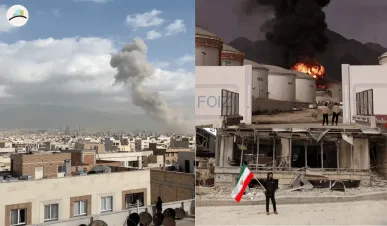
The 2026 Iran war has emerged as one of the most significant geopolitical crises of the 21st century, involving the United States, Israel, Iran, and multiple regional actors. What began as coordinated U.S.–Israeli military strikes against Tehran has escalated into a multi‑front conflict with wide‑ranging military, economic, and humanitarian consequences across the Middle East and beyond.
Interesting headline from The Telegraph, but let’s challenge that narrative with a different view, purposely provocative to hopefully stimulate debate, but grounded in strategy.
— MtarfaLee (@MtarfaL) March 13, 2026
Views my own, corrections, as always, welcomed.
Drafted in raw BLUF format, not my usual 25 post… pic.twitter.com/2IbzD41mof
Origins of the Conflict
The 2026 Iran war began on February 28, 2026, when Israel and the United States launched coordinated airstrikes on Iranian territory, targeting military bases, nuclear facilities, and strategic infrastructure. This action was framed as a preemptive strike to counter Iran’s growing missile capabilities and nuclear program. The attack led to the death of Iran’s Supreme Leader and several high-ranking officials, sparking an immediate and vehement response from Tehran. Iran denounced the attack as a direct act of war.
In retaliation, Iran initiated a series of missile and drone strikes aimed at Israeli cities, U.S. military bases, and key infrastructure throughout the Gulf region. Hezbollah, based in Lebanon, also joined the conflict, launching rockets and contributing to the growing violence.
Current War Dynamics
Expanded Military Fronts
Unlike previous regional conflicts, the 2026 Iran war has expanded across multiple fronts, involving several nations and non-state actors:
-
Iran vs. U.S./Israel: Heavy aerial bombardments, missile strikes, and drone warfare are ongoing. Iran has launched hundreds of drones and missiles targeting U.S. bases, military personnel, and civilian infrastructure in Israel and the Gulf states.
-
Lebanon (Hezbollah): Hezbollah has escalated the conflict by launching rocket attacks into Israeli territory, prompting defensive operations by the Israel Defense Forces.
-
Gulf Strikes: Iranian forces have strategically targeted key military and civilian infrastructures in the Gulf, including ports, energy facilities, and transport networks. This has caused widespread disruption to trade and supply chains.
This broadening of the war has raised concerns about the conflict's potential to involve additional global powers, further destabilizing the region.
Strategic Choke Point: Strait of Hormuz
The Strait of Hormuz, one of the most crucial global oil trade routes, has become a focal point in the conflict. Iran has threatened to block this vital passage, which carries a significant portion of the world’s oil supply. In response, global markets have seen drastic fluctuations in energy prices, with the price of oil reaching new heights due to fears of supply disruptions.
This has forced international organizations and major nations to release emergency petroleum reserves to mitigate the risk of severe fuel shortages and stabilize global markets.
MORE ARTICLE:
Economic and Global Impact
Energy Markets
Oil prices have surged dramatically due to the disruption of global supply chains caused by the conflict. As the war continues, some analysts predict oil prices could climb even higher, creating pressure on global economies, particularly those heavily reliant on oil imports.
Air Travel and Logistics
Air travel has been significantly impacted by airspace closures over the Gulf region. Flights have been rerouted, and several major airlines have raised fares. Additionally, logistics companies are facing delays and challenges due to the instability in key transport hubs and energy disruptions.
Regional Economies
The war’s ripple effect on the global economy is particularly severe for countries in Southeast Asia, which have seen a dramatic increase in energy costs. In response, governments have implemented measures to curb consumption, including travel restrictions and rationing.
Shift in Trade Routes
The escalating tensions in the Gulf region have led some shipping companies to reroute their vessels, avoiding the Strait of Hormuz altogether. This shift has resulted in increased traffic through alternative channels, such as the Panama Canal, which is reshaping trade routes globally.
Humanitarian and Strategic Concerns
The war has led to significant humanitarian crises. Civilians in Iran, Lebanon, Israel, and other affected countries are facing casualties, displacement, and shortages of basic necessities. Infrastructures, including hospitals, schools, and roads, have been destroyed, exacerbating the hardships of the populations.
Strategically, the conflict has raised concerns about the long-term stability of the Middle East. The involvement of proxy groups and the potential for more nations to join the fight is heightening fears that the war could drag on for years, further complicating efforts for peace.
What Comes Next?
Currently, there are no signs of de-escalation, and diplomatic channels remain largely closed. While some international efforts are underway to negotiate ceasefire terms, the war has become a test of endurance for all involved. As tensions continue to rise, the risk of wider regional involvement grows, threatening further global instability.



