
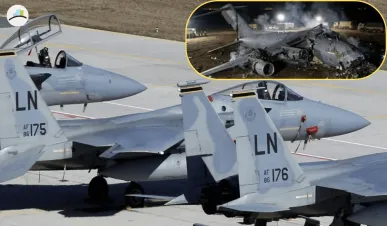
A United States Air Force KC-135 Stratotanker, a crucial refueling aircraft, tragically crashed in western Iraq on March 12, 2026. The crash occurred during a mission linked to ongoing military operations in the region, which have been complicated by the increasing conflict with Iran. The crash resulted in the deaths of four of the six crew members, with two still missing as search operations continue. This incident has raised new concerns over the risks faced by support aircraft in contested airspaces.
Details of the Incident: Crash in “Friendly Airspace”
The KC-135, a Boeing-built aerial refueling tanker, went down in western Iraq at approximately 2 p.m. ET on March 12. According to official reports, the aircraft was operating in what is considered “friendly airspace” during the incident. Initial reviews suggest that hostile actions, such as anti-aircraft fire or missile attacks, were not involved in the crash.
A second KC-135 tanker that was part of the same mission landed safely but reportedly sustained minor damage. The cause of the crash is under investigation, with authorities considering several potential factors, including technical malfunctions or air traffic collisions.
Casualties and Ongoing Rescue Operations
The crash claimed the lives of four aircrew members, and while their identities have not been disclosed, efforts are underway to notify the next of kin. Search-and-rescue teams are focusing on recovering the two remaining crew members, though the chances of survival have been described as slim due to the severity of the crash.
The KC-135 tanker, which is operated by a crew of three to six, plays a vital role in air-to-air refueling, ensuring that combat aircraft have the necessary fuel to extend their operational range in areas far from their home bases.
Official Statements and Claims
An armed group based in Iraq, allegedly supported by Iran, claimed responsibility for downing the aircraft. However, U.S. officials have firmly rejected these claims, stating that no hostile fire has been detected as the likely cause. The military investigation is ongoing to determine if mechanical issues or other factors may have contributed to the tragedy.
The Larger Context: Escalating Tensions in the Middle East
This crash comes at a time of heightened tensions in the Middle East, particularly between the United States and Iran. Since late February 2026, U.S. and allied forces have been engaged in joint military operations against Iranian targets in Iraq and Syria. The region has also seen significant unrest, with multiple security threats to commercial shipping and the presence of various militia groups hostile to U.S. interests.
Impact and Significance
The loss of the KC-135 and its crew members underscores the operational risks involved in military missions in high-stakes environments. Refueling tankers like the KC-135 are vital for maintaining the extended combat reach of aircraft, and the loss of one of these planes presents significant challenges to U.S. military operations in the region.
Moreover, the tragedy has drawn attention to the increasing number of incidents involving military aircraft in conflict zones, emphasizing the need for enhanced safety measures and careful strategic planning in future missions.



