
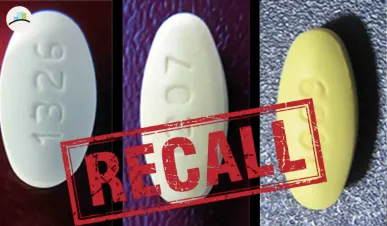
A nationwide recall of a commonly prescribed blood pressure medication is drawing attention after federal records listed more than 11,000 bottles of Chlorthalidone Tablets USP, 25 mg, as affected. The recall involves bottles distributed in the United States by Rising Pharma Holdings and was triggered by “failed dissolution specifications,” meaning the tablets may not dissolve as intended. For patients, the key message is simple: check the lot number on the bottle, speak with a pharmacist or healthcare provider if it matches, and do not stop taking blood pressure medicine suddenly without medical guidance.
What Blood Pressure Medication Was Recalled?
Over 11,000 Bottles of Blood Pressure Medication Recalled Nationwide
— Epoch Health (@epochhealth) June 22, 2026
Millions of Americans take blood pressure drugs every day. This is one of those headlines that belongs in the “check your cabinet” category.
👇https://t.co/6yF3axrQpf
The recalled medication is Chlorthalidone Tablets USP, 25 mg.
Chlorthalidone is a prescription diuretic often used to treat high blood pressure. It may also be used to help reduce fluid retention in some patients.
According to reports citing FDA enforcement records, 11,460 bottles are included in the recall. The medication was manufactured by Inventia Healthcare Limited in India and distributed in the United States by Rising Pharma Holdings, Inc., based in East Brunswick, New Jersey.
Why Was Chlorthalidone Recalled?
The chlorthalidone recall was issued because the tablets failed dissolution specifications.
In simple terms, dissolution testing checks how a tablet breaks down and releases its active ingredient. If a medicine does not dissolve the way it is supposed to, there may be concern that the body will not absorb it as expected.
That does not automatically mean every bottle is dangerous. But for a blood pressure medicine, any concern about effectiveness matters because patients rely on consistent dosing to keep their blood pressure under control.
The FDA has not yet assigned a recall classification, according to local reports citing the enforcement notice.
Which Chlorthalidone Lots Are Affected?
The recall affects two bottle sizes of Chlorthalidone Tablets USP, 25 mg.
The affected products include:
100-count bottles: Lot RISA24001, expiration date April 2027
1,000-count bottles: Lot RISB24002, expiration date April 2027
These bottles were distributed nationwide in the United States by Rising Pharma Holdings.
Patients should check the lot number and expiration date printed on the medication bottle. If the information matches the recall details, they should contact their pharmacy or healthcare provider.
What Should Patients Do If They Have The Recalled Medication?
Patients should not panic, but they should check their medication.
The FDA advises consumers to compare the lot number on their medicine label with the lot number listed in recall notices. If the medicine is part of a recall, patients should follow instructions from the recalling company, pharmacy, doctor or FDA.
For this recall, patients should contact their pharmacist or healthcare provider if they believe they have an affected bottle.
Most importantly, people should not stop taking prescribed blood pressure medicine suddenly unless a medical professional tells them to do so. FDA guidance says that in some cases, stopping a medicine can be more harmful than continuing it while waiting for professional advice.
Why This Recall Matters For Blood Pressure Patients
Blood pressure medication works best when taken consistently and correctly.
If a medicine does not dissolve properly, there may be concern about whether the patient is getting the expected effect. For people with hypertension, poor blood pressure control can increase the risk of serious health problems over time.
That is why this recall is important even though the FDA has not yet publicly classified the risk level.
The concern is not that patients should immediately throw away their medication. The concern is that patients need to confirm whether their bottle is affected and speak with a pharmacist or doctor about the next step.
MORE ARTICLES:
Is Chlorthalidone Commonly Used?
Yes, chlorthalidone is a widely used blood pressure medication.
It belongs to a class of medicines called diuretics, sometimes known as water pills. These medicines help the body remove extra salt and water, which can reduce pressure in the blood vessels.
Because high blood pressure is common, even a recall involving one specific manufacturer and lot can affect many patients across the country.
This is why the lot number matters. Not every chlorthalidone tablet is part of this recall. The recall is tied to specific batches and bottle sizes.
Is This A Class I, Class II Or Class III Recall?
As of the latest reports, the FDA had not yet assigned a public classification to this chlorthalidone recall.
FDA recall classifications explain the level of risk.
A Class I recall is the most serious and involves a reasonable probability of serious health consequences.
A Class II recall means the product may cause temporary health consequences, but the chance of serious harm is remote.
A Class III recall means the product is not likely to cause health consequences.
Until the classification is listed, patients should avoid guessing the risk level and instead follow pharmacy or doctor guidance.
How To Check If Your Chlorthalidone Bottle Is Recalled
Patients can check the medication bottle label for three things.
First, look for the drug name: Chlorthalidone Tablets USP, 25 mg.
Second, check the lot number. The recalled lots are RISA24001 and RISB24002.
Third, check the expiration date. The affected bottles have an expiration date of April 2027.
If the bottle matches these details, contact the pharmacy where the medication was filled. A pharmacist can confirm whether the prescription came from an affected supply and explain replacement or return options.
Why “Failed Dissolution Specifications” Sounds Technical But Matters
The phrase “failed dissolution specifications” sounds like a lab issue, but it can have real-world importance.
A tablet is designed to dissolve in a certain way after it is taken. If it dissolves too slowly, incompletely, or outside expected limits, the medicine may not release the active ingredient properly.
For blood pressure medication, consistency is important. Patients depend on the medicine to work the same way each day.
That is why this recall is not just a manufacturing headline. It is a medication reliability issue.
Final Takeaway
The FDA-listed recall affects 11,460 bottles of Chlorthalidone Tablets USP, 25 mg, distributed by Rising Pharma Holdings in the United States. The affected lots are RISA24001 for 100-count bottles and RISB24002 for 1,000-count bottles, both with an April 2027 expiration date.
The recall was issued because the tablets failed dissolution specifications, raising concerns about whether the medication dissolves as intended. Patients should check their bottle, contact their pharmacist or healthcare provider if the lot matches, and avoid stopping blood pressure medication without medical advice.



