
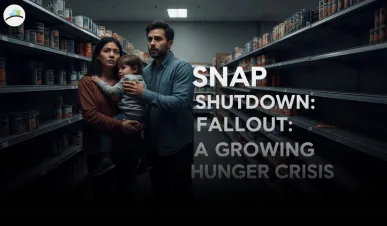
SNAP Shutdown Fallout: How Millions of Families Could Face Food Insecurity by November
As the U.S. government shutdown stretches into the fall of 2025, millions of Americans are facing the grim reality of food insecurity. The suspension of SNAP benefits—the Supplemental Nutrition Assistance Program, also known as food stamps—will leave vulnerable families, seniors, and single parents without the crucial financial support they need to feed their households. With the shutdown showing no signs of resolution, the fallout is expected to be disastrous for those who rely on food assistance.
The SNAP program has been decimated to pay for tax cuts for the wealthy.
— FRANCE (@777EILERS) October 29, 2025
Food stamp recipients may be unaware that their food stamps have been significantly reduced.
They may just be finding out now because of the government shutdown pic.twitter.com/3xYLSwVoaa
For many, SNAP benefits are a lifeline, providing essential access to groceries and nutrition. Without these benefits, households across the country are bracing for hunger, stress, and uncertainty. Experts warn that this SNAP shutdown could push millions into severe food insecurity, particularly those in low-income brackets who are already struggling to make ends meet.
MORE ARTICLES:
The Direct Impact on Families, Seniors, and Single Parents
Single parents like Maria from Ohio, who depends on SNAP to provide meals for her two children, are at the forefront of this crisis. "I don’t know how we’re going to eat next month," Maria says tearfully. "I work two jobs, but with rent and bills, there’s barely enough left for food. SNAP was the only thing keeping us from going hungry."
Single parents across the U.S. are likely to face a similar struggle as the shutdown continues to block SNAP payments. According to recent studies, SNAP benefits help lift millions of children out of food insecurity, but without this support, many are facing the very real possibility of going without meals.
Meanwhile, seniors like 70-year-old Linda from Texas, who relies on SNAP to stretch her Social Security benefits, are also preparing for a desperate situation. "I can’t afford to buy the food I need without my benefits. I’m on a fixed income, and now I don’t know where I’ll get the next meal," Linda explains. Seniors often face increased health risks due to poor nutrition, making the loss of SNAP even more dangerous.
The Growing Hunger Crisis
The SNAP shutdown is expected to affect nearly 42 million Americans by the end of October, with those living in poverty and struggling with chronic health conditions being hit hardest. States like Maryland, Illinois, and California have already seen an uptick in requests for emergency food assistance, as families scramble to find alternative ways to put food on the table.
Organizations such as food banks and community outreach programs are bracing for an influx of people seeking help, but these programs are often underfunded and overwhelmed. The Maryland Food Bank has reported that demand for food assistance has already spiked, and with the official cutoff of SNAP benefits next month, their resources are expected to be stretched thin.
“The demand for food assistance is already outpacing our ability to supply it,” says Kelly Burbage, director of the Illinois Food Bank. “We’re concerned that once SNAP is cut off, we won’t have enough to go around. People are already coming in saying they have no other options.”
A Strain on Local Food Systems
Local food systems are also under pressure. Across the U.S., grocery stores and farmer’s markets that previously relied on SNAP customers to drive sales are seeing fewer shoppers. Local farmers are worried that if the SNAP shutdown continues, they will lose a significant portion of their customer base.
“I’ve been farming my whole life, but I’ve never seen anything like this,” says Jacob Owens, a farmer in Ohio. “SNAP customers are the ones who buy our produce, and without them, it’s going to be a tough season. This will hurt not only the families who depend on the food, but the people who provide it.”
What’s at Stake: The Human Cost of the SNAP Shutdown
The real cost of this shutdown won’t just be measured in dollars. It will be measured in lives. Food insecurity is linked to a range of negative outcomes, including poor health, developmental delays in children, and increased stress and anxiety. Experts agree that the loss of SNAP benefits will exacerbate these issues, especially as the U.S. enters the colder months when energy bills and heating costs rise.
Communities already struggling with poverty, systemic inequality, and lack of access to healthcare will feel the effects the hardest. As SNAP benefits dry up, many will have no choice but to turn to emergency food assistance programs, food banks, or, in some cases, go without food altogether.
What Can Be Done?
With the SNAP shutdown causing severe disruption, it is crucial for local governments, nonprofits, and community organizations to step up and provide support. However, these organizations are also experiencing limitations, and the long-term solution requires comprehensive reform in the way the U.S. addresses food insecurity.
While the SNAP shutdown is a temporary setback, advocates are calling for a permanent, sustainable solution that doesn’t leave vulnerable populations in the lurch every time a government shutdown occurs. A future where food assistance programs are protected, regardless of political conflicts, is crucial to ensuring the well-being of millions of Americans.



