
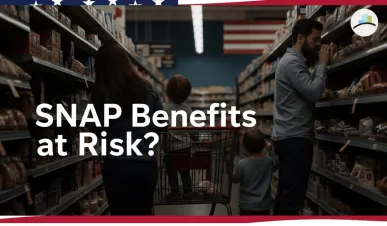
Millions Could Lose SNAP Benefits as Shutdown Looms — States Race to Step In
With a U.S. government shutdown just days away, millions of Americans could see their SNAP food benefits vanish by November 1. As Washington stalls, states and local leaders are rushing to fill the gap — launching lawsuits, emergency aid plans, and food drives to keep families fed.
As fears of a government shutdown grow, states across the U.S. are rushing to protect millions of residents who depend on SNAP (Supplemental Nutrition Assistance Program) benefits. With the USDA warning that federal funds could run dry by November 1, local leaders and state attorneys general are stepping in — trying to bridge what could become one of the most severe food insecurity crises in recent years.
MORE ARTICLES:
⚠️ SNAP Payments in Jeopardy
The USDA has confirmed that no new SNAP benefits will be issued if the shutdown continues into November, leaving families without essential grocery support. Nearly 42 million Americans rely on SNAP each month — many of them seniors, children, and low-income workers already struggling with inflation and rising food costs.
🏛️ States Sue the Federal Government
Several states, including New York, California, and Illinois, have taken legal action against the federal government to ensure SNAP payments continue. Officials argue that food assistance is an essential right and that the federal government has a duty to protect citizens’ basic needs, even during a shutdown.
🏙️ Local Governments Fill the Gap
Some city councils and local food banks are working on emergency relief plans — from extending food pantry hours to issuing temporary grocery vouchers. In Atlanta and Chicago, community groups are coordinating donation drives to keep shelves stocked if SNAP payments stall.
“We can’t wait for Washington to figure it out,” one local leader said. “People still have to eat next week.”
💬 What’s Next for Families
If Congress fails to pass a budget deal soon, SNAP recipients could miss their November benefits entirely, forcing millions to rely on state and local support networks. Experts warn this could deepen existing poverty gaps and create ripple effects across the economy — particularly in states with higher SNAP dependency rates.



