
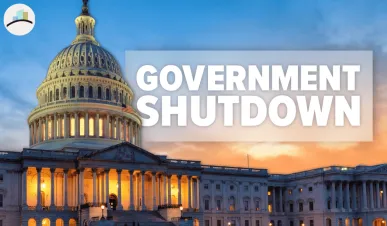
SNAP Benefits in Jeopardy Amid Ongoing U.S. Government Shutdown
As the U.S. government remains in a state of shutdown, millions of Americans who rely on the Supplemental Nutrition Assistance Program (SNAP) for their daily food needs are facing an uncertain future. In what can only be described as a terrifying blow to families across the country, the U.S. Department of Agriculture (USDA) has announced that SNAP benefits will not be issued on November 1, 2025, unless the shutdown is resolved. This is a massive disruption that affects over 42 million Americans, who now face the very real possibility of going without this vital lifeline.
The announcement has left many feeling helpless and confused, as the government’s budget impasse leaves food-insecure families with no clear answers. The USDA has made it clear that without new funding, SNAP benefits will come to a halt for the first time in the program’s history, leading to widespread panic among recipients who depend on these benefits to feed themselves and their families.
MORE ARTICLES:
Why Are SNAP Benefits Being Halted?
The federal SNAP program, which is vital for millions of low-income families, is funded through a government budget that must be approved each year. Without this budget, the funds for SNAP run out, and the USDA cannot continue issuing benefits. For October, the benefits were processed and distributed as usual, but the situation has taken a turn for the worse. The USDA has confirmed that it won’t be able to issue benefits for November because the necessary funding has been blocked by the ongoing shutdown.
The USDA further explained that it won’t dip into its emergency funds, as these are reserved for other critical programs, a decision that leaves recipients in the dark about how long the suspension will last. For many, the end of October means not just a disruption to their regular benefits but also a sense of uncertainty about how they’ll manage in the weeks ahead. With the possibility of no support through November, families now face a deeply unsettling question: “Will I have enough food next month?”
USDA’s Stark Warning: What Does This Mean for Millions?
The USDA has issued an ominous warning to SNAP recipients: "Bottom line, the well has run dry." This is more than just an announcement of a delay—it's a chilling signal of the dire reality that millions of Americans are now facing. With no immediate resolution in sight, the USDA has emphasized that it cannot issue SNAP payments unless new funding is allocated, and it’s unclear when or if that will happen.
What this means for families who rely on SNAP for their groceries is a real crisis. Many households live paycheck to paycheck, and SNAP benefits provide crucial assistance to ensure families don’t go hungry. With benefits paused indefinitely, families who were already struggling to make ends meet now face the possibility of food insecurity on a grand scale.
SNAP BENEFIT LOSS - Amid a government shutdown, come Nov. 1, The U.S. Department of Agriculture says no benefits will be issued for the food stamp program known as SNAP. https://t.co/ta98Rxva3e
— WPLG Local 10 News (@WPLGLocal10) October 27, 2025
How Long Will Current Benefits Last?
October saw benefits issued as usual, so many families received their assistance for the month. However, the bigger concern now is what happens in the following months. The USDA has stated that no benefits will be issued in November, leaving millions wondering when—if ever—the payments will resume. With the shutdown showing no signs of resolution, the future of food assistance is hanging by a thread.
As each day passes, the uncertainty grows. The current benefit checks will only last until the end of the month, and unless the deadlock in Washington is resolved, SNAP recipients may be left scrambling for food assistance or relying on other emergency resources, like food banks, to get by.
What’s Causing the Shutdown?
The ongoing government shutdown is rooted in a budgetary standoff between Republicans and Democrats over key issues like healthcare subsidies and broader federal spending. While the government is typically able to pass temporary funding measures to keep programs like SNAP running, this time, the deadlock has resulted in a lack of agreement on funding for federal programs.
This failure to pass a budget has triggered the shutdown and, by extension, the halt to SNAP benefits. While many lawmakers continue to negotiate, the fact remains that, as of now, no deal has been struck to secure the future of these critical programs. For those depending on SNAP, this political gridlock feels like a betrayal—a disruption that affects real people, not just politics.
Local Communities Step In: What Can Affected Individuals Do?
As the shutdown drags on, local communities and charities are stepping up to help fill the gap. Food banks across the U.S. are bracing for a surge in demand, as families who rely on SNAP benefits turn to them for support. Many are working hard to stock up on supplies to assist those in need, but it’s important to understand that food banks are not a permanent solution. They are a stopgap in a larger systemic issue that needs a federal resolution.
If you’re a SNAP recipient, it’s essential to explore alternative resources in your community. Local charities, faith-based organizations, and food pantries are working tirelessly to help those in need. However, these resources are stretched thin, and many may not have the capacity to provide long-term support. It’s also advisable to stay in touch with your state SNAP office for any updates or temporary assistance programs.
Looking Ahead: Will the Shutdown End?
As the country watches closely, many are hoping for a swift resolution to the shutdown. The reality, though, is that unless lawmakers can come to an agreement, the halt to SNAP benefits could extend beyond November, leading to even more hardship for millions of families.
The issue of food insecurity is already a serious concern in the U.S., and the suspension of SNAP benefits only exacerbates an already dire situation. While the outcome remains uncertain, it’s crucial for SNAP recipients to stay informed, reach out to local resources, and continue to advocate for the restoration of their benefits.



