
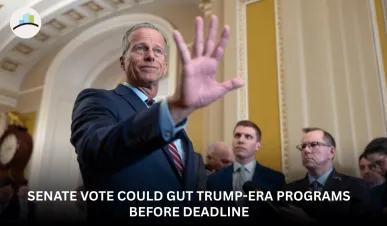
Senate Faces Funding Showdown as Trump Programs Hang in the Balance
With the fiscal deadline just days away, the U.S. Senate is gearing up for a tense vote on potential funding cuts to programs initiated under former President Donald Trump’s administration. While publicly framed as a budgetary cleanup, insiders and policy analysts warn this is anything but routine—it’s a high-stakes political maneuver with long-term implications for defense, immigration, and America's fractured legislative process.
BREAKING 🚨 Senate is currently voting on Donald Trump’s first D.O.G.E recessions package to cut $9 Billion from USAID, NPR and PBS
— MAGA Voice (@MAGAVoice) July 16, 2025
TIME TO GET LOUD MAGA
GET IT PASSED NOW
pic.twitter.com/E9beqAoNQr
Why It’s Happening: A Budget Battle Disguised as Reform
At its core, this vote reflects deeper fractures in the U.S. political landscape. Democrats, eager to reframe national priorities post-Trump, have targeted several programs they argue were wasteful, redundant, or ideologically driven—from strict immigration enforcement policies to defense allocations tied to the previous administration’s foreign strategy.
Republicans, on the other hand, see this as an attempt to erase a political legacy rather than manage a budget. And with the 2026 midterm elections around the corner, both sides are using this bill to stake ideological ground.
What’s Not Being Discussed Enough
1. The precedent it sets: This could normalize reversing prior administrations’ programs wholesale through budgeting alone—creating instability in long-term policy planning across sectors.
2. Impact on defense and border security: Some of the funding on the line supports programs tied to border enforcement, ICE operations, and overseas military presence. Reductions here may have unintended geopolitical consequences.
3. Federal workers & contractors in limbo: Behind the politics are real people—hundreds of government employees and contractors unsure whether their work (or paycheck) continues into August.
4. Debt ceiling déjà vu? While not technically a debt ceiling issue, the brinkmanship mirrors past shutdown threats, risking further erosion of public trust in government functionality.
The Political Cost of Delay
If the Senate fails to pass a funding agreement, a partial government shutdown could take effect. This would stall not only critical services but also give opponents fuel for campaign narratives. President Biden, already managing economic anxiety and international tensions, cannot afford another governance failure on his watch.
Meanwhile, Trump allies are framing the cuts as politically motivated. Expect aggressive media framing around "anti-Trump purges," especially from conservative outlets—a narrative that could energize the base ahead of 2026.
MORE ARTICLES:
Why This Matters Now
This isn’t just a fight over numbers—it’s about which version of America the government is choosing to fund. Every line item cut or preserved sends a message about national priorities, values, and political identity.
For businesses relying on federal contracts, especially in defense, infrastructure, or immigration tech, the uncertainty can mean paused projects, delayed investments, and increased risk.
For voters, it’s another reminder that behind every budget vote is a battle over the country’s direction—one that affects everything from local job creation to foreign policy alignment.



