
What’s Going On Here?
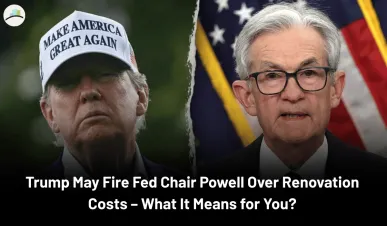
So, there’s a big renovation going on at the Federal Reserve’s main building in Washington. It was originally supposed to cost $1.9 billion, but now the price tag is up to $2.5 billion — that’s a $700 million jump. This gave Trump and some of his team, like adviser Kevin Hassett, a reason to question whether Fed Chair Jerome Powell mismanaged the project. They’re even saying this could be a reason to fire him “for cause.”
But here’s the thing — firing a Fed Chair is not something that’s done easily or often. Legally, it’s very complicated. You can’t just let someone go from that role unless there’s proof of serious wrongdoing. If Trump tries and it doesn’t hold up in court, it could backfire and create more problems than it solves.
JUST IN: 🇺🇸 White House economic adviser #Hassett says President Trump has the power to fire Fed Chair Jerome Powell if there is reason. pic.twitter.com/GV2vOwyzSb
— Dynamite trader (@Dynamite_Fix) July 14, 2025
Why It Actually Matters
At first glance, it might sound like a fight about construction costs. But this is really about who gets to influence America’s money policies. The Federal Reserve is supposed to stay independent — which means no president should be able to push them around just because they don’t like interest rate decisions or spending choices.
If Trump does remove Powell, it could damage how investors and markets view the Fed. People trust that the Fed makes decisions based on data, not politics. Losing that trust could lead to big issues — rising mortgage rates, shaky stock markets, and more pressure on the dollar.
What People Aren’t Really Talking About
There’s a lot more happening under the surface than the headlines are covering.
-
The legal side is messy
Even if Trump claims there's “cause,” it has to be something very serious — like corruption or misconduct. Cost overruns on a building project might not count. This could all get tied up in court. -
It sets a worrying example
If Powell gets pushed out now, what stops future presidents from doing the same to Fed chairs they don’t agree with? That could make every decision political — and that’s dangerous for the economy. -
Real-life impact
These kinds of fights aren’t just political. They affect regular people. If markets react badly, interest rates might rise again. That hits home buyers, credit card users, and small businesses.
Some Possible Risks — And a Few Openings
Let’s break it down. There are some serious risks here:
-
Markets could react fast. If people think the Fed’s being messed with, we might see drops in the stock market or a weaker dollar.
-
Inflation could come back. If a new Fed leader cuts rates too soon, prices might spike again.
-
The U.S. could lose credibility. The world watches how the U.S. handles its economic institutions. A fired Fed chair could send the wrong message.
But there’s also a flip side:
-
A new Fed head might bring fresh thinking, especially if they can balance growth with inflation.
-
It could lead to clearer rules about what “cause” really means for firing someone at that level — which might help long-term.
MORE ARTICLES:
This Has Happened Before — Sort Of
This isn’t the first time a president’s clashed with the Fed. Nixon, Reagan, even Trump in his first term — they’ve all been critical of interest rates or the people setting them. But actually trying to remove a Fed chair? That’s almost unheard of. If it happens, it could change how future leaders deal with the Fed. And that shift might not be for the better.
What Comes Next?
There’s a few things to watch now:
-
How Powell responds — will he defend the renovation or stay quiet?
-
What the White House does next — if they push this further, it could become a legal battle.
-
Market reaction — bond yields, mortgage rates, and the dollar could start shifting if investors get spooked.
Final Thought
This story isn’t just about a building going over budget. It’s about trust, power, and who controls the future of America’s economy. Trump may see this as a chance to shake things up, but if he goes too far, it could hurt more than help — for him, for the Fed, and for everyday people trying to afford a home or run a business. Either way, what happens next could change the way the Fed works for years to come.



