
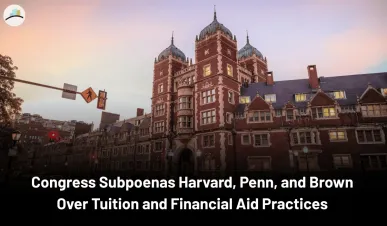
Congress Wants Answers from Harvard, Penn, and Brown
So here’s the big update: Congressman Jim Jordan and his committee have officially subpoenaed three Ivy League schools—Harvard, University of Pennsylvania, and Brown University. Why? They want documents and emails about how these schools set their tuition prices and financial aid plans. The concern is that these schools might be quietly working together to keep tuition high, which could break U.S. antitrust laws. Basically, lawmakers are asking—are these colleges charging what they want because they can, or is there something unfair going on behind the scenes?
The schools are pushing back though. Harvard said the subpoena was unnecessary and claims there's nothing shady going on. But the pressure is building.
#BREAKING: @Jim_Jordan & @RepFitzgerald subpoena Brown and Penn.
— House Judiciary GOP 🇺🇸🇺🇸🇺🇸 (@JudiciaryGOP) July 1, 2025
The Chairmen seek documents and communications related to Ivy League member institutions collectively raising tuition prices. pic.twitter.com/l60gLT5LRv
Why Now? What’s Driving This
Honestly, this feels like it’s been coming for a while. People have been frustrated about how expensive college has gotten—especially when the cost keeps going up year after year. Ivy League schools are kind of the face of that frustration. They charge over $80,000 a year in many cases, but because of financial aid, what students actually pay can vary a lot. That’s where the questions come in—how do they decide who pays what?
Jordan and others think that some of these schools may be coordinating pricing and aid models in ways that don’t seem fair to students or families. It’s a serious claim. And right now, Congress wants to see the internal playbook, not just the public-facing tuition brochures.
The Bigger Picture No One’s Really Talking About
What makes this more than just a fight with the Ivy League is that it could set a new standard. If Congress gets access to how these schools actually plan tuition and aid, it might not stop with just these three. Other private universities could soon be under the same microscope.
Also, this could change how nonprofit colleges are treated under U.S. law. If Congress or the courts decide that coordinated pricing—even informal—is breaking competition rules, universities might have to rethink how they do business. That’s a big shift from how education has been handled in the past.
What It Means for Students and Families
If things go further, there could be a few big changes:
-
Colleges might be forced to be more honest and clear about how they price things.
-
Financial aid could become more straightforward—or at least more explainable.
-
Students might start seeing slower tuition increases, especially at private schools.
But on the flip side, some colleges may pull back on offering creative or personalized aid packages out of fear of legal trouble. So in trying to fix transparency, it might accidentally reduce flexibility.
More Articles:
Political Drama or Real Reform?
Let’s be real—this is also a political move. Republicans have been calling out elite universities for a while now, not just on pricing but also on what they teach, how they handle protests, and who they admit. So this fits into a bigger narrative: elite schools vs. conservative lawmakers.
That doesn’t mean the questions aren’t valid. But it does mean people are going to look at this and wonder—are we actually fixing the college cost crisis, or is this just another headline-grabbing fight?
There’s Still a Chance to Do Something Good Here
This could turn into a mess—or it could be the start of something helpful. If colleges take this seriously and are willing to explain how tuition and aid really work, it might actually rebuild some public trust. People just want to know what they’re paying for and why.
And if Congress follows through with serious policy ideas instead of just angry hearings, maybe we get some real change in how college pricing is handled. There’s an opening here to rethink what “fair” looks like in higher ed.
Final Thought
This isn’t just about Harvard, Penn, and Brown. It’s about how much longer we’re going to let college pricing be a mystery. If this moment leads to more transparency and better access for students, that’s a win. But if it just ends in finger-pointing, nothing really changes. What happens next could shape the future of higher education—for real this time.



