
What’s Actually Going On
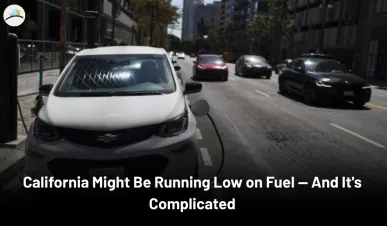
So, here's the situation: California is about to lose a big chunk of its fuel-making capacity. Two major refineries—Phillips 66 and Valero—are shutting down. That’s almost 20% of the state’s ability to refine oil. Gas prices in California are already much higher than the national average. Right now, it’s over $4.60 per gallon while the rest of the country is around $3.20. The state’s energy regulator is saying: we need to act fast—import more fuel, maybe hold off on punishing refiners for high profits, and just keep the system running until we have something more stable in place.
California should raise fuel imports, pause margin cap, regulator says https://t.co/Wzd1CQZ1Qb https://t.co/Wzd1CQZ1Qb
— Reuters (@Reuters) June 28, 2025
The Real Problems No One’s Talking About Enough
Honestly, what’s scary is not just the gas prices—it’s the setup. California doesn’t have enough infrastructure to handle more fuel imports overnight. There aren’t enough terminals, pipelines, or storage. It could take years to fix that. And these refinery shutdowns? They’re not just about fuel. They’re also about jobs. These are well-paying, skilled jobs, and once they’re gone, communities around them will feel it hard. And let’s be real—California’s climate policies, while forward-looking, haven’t always prepared for the bumps on the way. We’re seeing one of those bumps now.
How This Hits the Economy and Regular People
If gas prices go up even more, it’s not just about what you pay at the pump. It trickles into everything—shipping, groceries, even service prices. People who drive for work or live in areas without solid public transport will get hit hardest. For businesses, especially ones that depend on transportation, it’s going to eat into profits or force them to raise prices. Also, there’s a tough decision ahead for the state: should they pause the profit limits on fuel companies to stop them from leaving? That’s not going to sit well with a lot of voters who already think the oil industry makes too much.
Politics and Policy Getting Tangled
This is one of those moments where policies crash into each other. On one hand, California wants to go green and cut fossil fuel use over time. On the other hand, people still need fuel right now. And you can’t just flip a switch. The energy regulator is asking Governor Newsom to think short-term too—basically saying: let’s make sure we have enough supply before we remove all the support for existing systems. But it’s a tough call. Environmental groups don’t want to see any kind of backing for oil, while labor unions want to keep refineries running to save jobs.
What We’ve Seen Before (And What It Tells Us)
This isn’t the first time California’s had to deal with energy issues tied to big policy shifts. Back in the early 2000s, emissions rules caused a shake-up in power and fuel supply. And more recently, in 2022, when fuel supply got tight, prices jumped way above the national average. Every time, it shows us that policy needs to move in step with the systems that actually keep daily life going—otherwise, we get caught in between good intentions and real-world shortages.
What Could Go Right (If Planned Well)
There are some opportunities here, if leaders move fast. California could speed up its fuel import capacity—adding new terminals or upgrading old ones. That would create jobs and buy time. Also, instead of just letting refineries shut down, maybe offer support to help them transition into making cleaner fuels. That keeps jobs while still pushing toward climate goals. Lastly, helping communities that rely on these refineries—through grants or retraining programs—can prevent local economies from collapsing.
More Articles:
What to Keep an Eye On Next
-
Will Governor Newsom pause the profit cap for refiners or stick with it?
-
Are any emergency steps going to be taken to expand fuel imports?
-
How will the public react—especially environmental and labor groups?
-
Will Washington help with funding or federal flexibility for infrastructure?
Final Thought
California’s in one of those tricky spots where long-term goals meet short-term realities. Shutting down refineries might help reach climate targets, but doing it without a safety net could cause bigger problems. Gas prices could rise even more, people could lose jobs, and communities could suffer. This could be a chance to show how to transition smartly—or it could become a warning for other states trying to make the same shift. What happens in the next few weeks will set the tone.



