
Inflation Looks Flat, But It’s Not the Full Picture
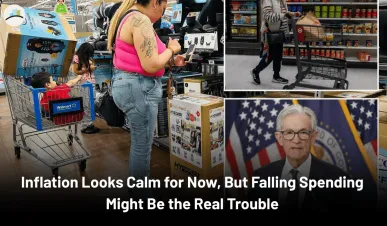
So here’s what happened in May: inflation didn’t really move much. Prices only went up a tiny bit — about 0.1% from the month before. On a yearly basis, it’s sitting around 2.3%, which is actually kind of where the Fed wants it. Even when you take out things like food and energy, which can bounce around, the “core” inflation was still pretty stable. But here’s the thing no one’s really shouting about — consumer spending actually went down a little. And so did personal income. That’s not great. Because even if prices are under control, if people are spending less and earning less, that could be the start of something more worrying.
⚠️Real disposable income has swung wildly due to legislative-induced benefits swings, but this fundamental pillar to the US economy is eroding
— Gregory Daco (@GregDaco) June 27, 2025
📉Income growth at 1.7% y/y in May & a tariff-induced inflation reacceleration mean consumer spending growth will fall below 1% in H2 pic.twitter.com/zkFLH4BcuI
Why This Drop in Spending Could Be a Bigger Deal Than the Numbers Suggest
Now, when you hear “low inflation,” it sounds like good news, right? But if you look a bit deeper, there’s something more serious going on. People might just not be spending because they’re feeling stretched. And that matters a lot because the U.S. economy really depends on regular folks buying stuff — groceries, gas, clothes, even weekend trips. If people start pulling back, that can hit businesses and jobs pretty fast. Some experts think this slowdown is because folks were buying early this year before new tariffs made things more expensive. If that’s true, then what we’re seeing now is just the quiet period before things start moving — maybe in the wrong direction.
Tariffs Haven’t Hit Yet, But They Probably Will
Another thing to keep in mind: the full effect of the new tariffs hasn’t shown up in prices yet. A lot of businesses had stocked up on goods earlier, before the tariffs took effect. So right now, prices still seem okay. But once those supplies run out and companies have to buy more expensive products, the price increases might show up fast. And guess who pays for that in the end? Us — the consumers. So while inflation seems chill right now, there’s a chance it could heat up later this year. And if the economy is already slowing when that happens, it could be a messy mix.
The Fed’s Stuck in a Tough Spot
This is where things get tricky. The Federal Reserve is trying to decide what to do with interest rates. Some people think they should cut rates soon to keep the economy from slowing down too much. Others say, “Hold on, if inflation comes back because of tariffs, cutting rates now could make it worse later.” There’s no easy answer. The Fed has to guess what’s going to happen a few months from now — and they don’t have a perfect crystal ball. That’s why they’re being careful, waiting for more data before making any big moves.
What People Aren’t Talking About Enough
A lot of news reports are focused on how inflation seems fine. But what’s not getting enough attention is how personal income is slipping. If people are earning less and spending less, it doesn’t matter how good the inflation numbers look — the economy won’t feel strong. Also, there’s not much discussion about how this uncertainty is affecting small businesses. If you're a store owner or a manufacturer, how do you plan for the next few months when you don’t know what prices will look like or if your customers will be buying? That kind of hesitation can lead to slower hiring, less investing, and that can snowball into something bigger.
More Articles:
What to Watch in the Coming Weeks
The next couple of reports are going to be key. If inflation stays low but spending and income keep falling, we could be staring at a soft patch—or even something worse. But if inflation suddenly jumps because of the delayed impact of tariffs, then the Fed may have even less room to help. It’s also worth keeping an eye on how people respond: are they starting to pull back on essentials or just cutting out the extras? That’ll tell us a lot about where we’re headed.



