
India Marks Eid ul-Adha 2026 on May 28 as PM Modi Leads National Greetings
Most of the country observed Bakrid a day after Gulf nations, with Jammu & Kashmir following its own moon-sighting tradition a day earlier.
India celebrated Eid ul-Adha widely known as Bakrid on Thursday, May 28, 2026, with morning prayers at mosques and Eidgahs across the country, as the festival brought together families, community gatherings, and acts of charity nationwide.
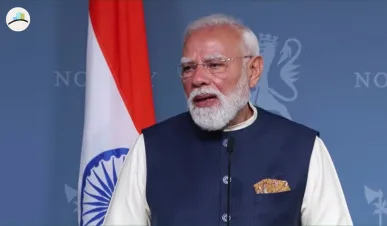
Prime Minister Narendra Modi extended greetings to the nation on the occasion. In a post on X, Modi said, "Eid ul-Adha greetings! May this occasion deepen the spirit of brotherhood and happiness in our society. Praying for everyone's success and good health," according to an official statement published on the Prime Minister's website, pmindia.gov.in.
Other Stories-
The date of Eid ul-Adha 2026 was confirmed as May 28 across most of India after religious committees completed 30 days of the Islamic month of Dhul Qa'dah, following the absence of a crescent moon sighting on the expected night. Following this announcement, government departments updated official holiday calendars, with schools, offices, and courts adjusting their schedules to align with the confirmed date
The observance was not uniform across the country. Jammu and Kashmir observed Bakrid on May 27, 2026, after local religious authorities followed independent moon-sighting reports a longstanding regional practice that sometimes results in a different date from the rest of India.
India's celebration also differed from many Gulf countries. While India marked the festival on May 28, several Gulf nations observed Eid ul-Adha on May 27, with the one-day gap stemming from the traditional Islamic lunar calendar's dependence on local moon sightings.
The festival honours the devotion and faith of Prophet Ibrahim, who, according to Islamic belief, was willing to sacrifice his son in obedience to Allah's command, with Allah later replacing the sacrifice with a sheep symbolising mercy and faith. Eid al-Adha is observed on the 10th day of Dhul Hijjah, the final month of the Islamic calendar, and also coincides with the annual Hajj pilgrimage in Saudi Arabia.
Across India, Eid al-Adha traditionally begins with special morning prayers at mosques and open prayer grounds, after which families gather, wear traditional clothing, prepare festive meals, and share food with neighbours and relatives, with acts of charity and community support remaining central to the celebration.
The festival is marked by the ritual of Qurbani, or sacrifice observed with a goat, sheep, or camel with the meat distributed among relatives, neighbours, and those in need. Eid ul-Adha symbolises faith, devotion, and sacrifice, and is observed by Muslims worldwide with prayers, charity, and family gatherings.
The unique angle worth noting for Indian readers: this year's date split May 27 in Jammu & Kashmir and May 28 across most other states is a recurring feature of how India observes Islamic festivals, reflecting the country's constitutional accommodation of regional religious authority in moon-sighting decisions. This has not been officially codified into a central policy, and no uniform national framework for moon-sighting currently exists, according to publicly available government records.



