
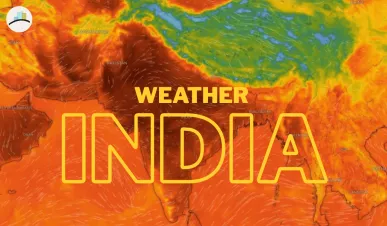
Scientists are issuing urgent warnings as parts of India experience extreme heatwave conditions approaching dangerously high wet‑bulb temperatures — a measurement of heat and humidity that, if high enough, can make it physically impossible for the human body to stay cool by sweating. Recent data suggests some regions are nearing thresholds where “no human can last beyond two hours” without protection, hydration or cooling.
What Is Wet Bulb Heat? The Dangerous Heatwave Condition That Can Become Deadly Within Minutes#Heatwave #WetBulbTemperature #ClimateChange #HealthAlert #SummerHeat #WeatherUpdate #GlobalWarming #HealthNews #ExtremeHeat #Trending
— @zoomtv (@ZoomTV) May 26, 2026
Click below to read the article in full -…
This comes amid a particularly intense heatwave sweeping much of the Indian subcontinent in mid‑2026, with temperatures and humidity levels combining in ways that experts say strain both the human body and critical infrastructure.
What Is Wet‑Bulb Temperature — And Why It Matters
Wet‑bulb temperature is a measure that combines heat and humidity. It’s measured using a thermometer covered in a wet cloth and exposed to airflow. When humidity is high, sweat cannot evaporate efficiently — and evaporation of sweat is how the human body cools itself.
- Normal tolerable wet‑bulb: Around 31–32 °C
- Dangerously high wet‑bulb: Above 35 °C
- Scientists warn: Sustained exposure above ~35 °C wet‑bulb can be lethal in hours because the body cannot cool itself at all.
In simple terms: at extremely high humidity and heat, even a young, healthy person can overheat quickly because sweating stops working effectively.
“No Human Can Last Beyond Two Hours” — How Real Is That?
Researchers studying heat stress and human physiology have long warned that wet‑bulb temperatures above about 35 °C are essentially unsurvivable outdoors without cooling or shade. At those combined heat and humidity levels, even sitting still in the shade may not stop core body temperature from rising.
According to the scientists cited in recent reports:
- Conditions reaching the upper 30s in wet‑bulb measurements are being observed or approached in parts of India.
- At those levels, unprotected human survival is measured in hours, not days.
- The phrase “no human can last beyond two hours” comes from studies showing how quickly the body fails to cool itself under such extreme conditions.
This isn’t simply a hot day — it’s a physiological limit that climate scientists have identified as a potential “red flag” for human health and survival.
Where Conditions Are Most Severe Now
Regions in northern and eastern India, particularly across states such as Bihar, Jharkhand, Uttar Pradesh and parts of West Bengal, have reported some of the highest combined heat and humidity stress indicators, drawing scientists’ attention. These areas frequently experience intense heat during the pre‑monsoon and early summer months, intensified this year by lingering dry conditions and heatwave patterns.
Heatwave alerts and public health advisories have been issued in multiple districts, urging residents to take precautions, avoid midday exposure, and stay hydrated.
Health Risks: Heatstroke, Dehydration & More
The health impacts of extreme heat stress and high wet‑bulb conditions can be severe and life‑threatening:
Heat Exhaustion:
- Heavy sweating
- Tiredness
- Dizziness
- Nausea
Heatstroke (Medical Emergency):
- Confusion or loss of consciousness
- Very high body temperature
- Lack of sweating despite heat
- Severe dehydration
In high wet‑bulb conditions, heat regulation fails quickly, meaning heatstroke can develop swiftly even in healthy individuals.
Vulnerable groups — such as elderly people, outdoor workers, children and those with chronic illnesses — are at especially high risk.
MORE ARTICLES:
Why This Heatwave Is So Intense
Scientists attribute the unusually dangerous heat push to a combination of:
- Climate change‑driven warming trends that raise baseline temperatures
- High humidity from early moisture buildup in the atmosphere
- Longer heatwave durations compared with past decades
- Urban heat island effects in big cities
Heatwaves have become more frequent and more intense globally, and South Asia has been identified by climate models as one of the regions most vulnerable to deadly combinations of heat and humidity.
Government & Public Health Response
Local authorities have stepped up heat advisories and warnings, recommending:
- Staying hydrated with clean water
- Avoiding sun exposure between 11 a.m. and 4 p.m.
- Reducing outdoor labour where possible
- Establishing cooling centres or shaded rest areas
- Checking on elderly neighbours and vulnerable family members
Some regions have even implemented midday work restrictions to protect outdoor workers.



