
Is the U.S. Economy Really Turning a Corner? Here’s What the Latest GDP Report Reveals 💡
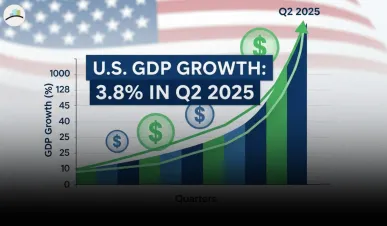
After a bumpy start to 2025, with worries about global trade tensions and rising tariffs, the U.S. economy has surprised everyone with a sharp turnaround. The latest report from the Commerce Department reveals that the U.S. GDP grew by a solid 3.8% in the second quarter of 2025—far higher than the initial 3.3% estimate. But what’s behind this unexpected surge, and what does it mean for your wallet, your job, and the economy as a whole?
📈 "I'm a bit shocked to be honest":
— Rapid Response 47 (@RapidResponse47) September 25, 2025
Second quarter GDP has been revised HIGHER once again to 3.8% — reflecting much stronger than expected consumer spending, rising incomes, and lower imports. pic.twitter.com/B6GUy2Qfhr
MORE ARTICLES:
A Rebound Worth Noticing
Back in the first quarter of 2025, the U.S. economy contracted by 0.6%, mainly due to a massive spike in imports as businesses scrambled to stock up on goods before the threat of new tariffs hit. But the second quarter is telling a different story. The 3.8% GDP growth is a clear signal that the economy is bouncing back stronger than many experts had predicted.
Key Drivers of This Impressive Growth 📈
So, what fueled this boost in the GDP numbers? It wasn’t just one factor, but a combination of several key drivers that worked together:
-
Consumer Spending: U.S. consumers are back in the driver’s seat. Consumer spending, which makes up over two-thirds of the economy, grew by a solid 2.5% in Q2—an improvement from just 0.6% in Q1. This increase in spending shows that people are feeling more confident about their financial futures, spending more on goods, services, and even luxuries.
-
Business Investments: Investments in technology and artificial intelligence played a major role in fueling this growth. Companies are doubling down on innovation, which contributes to long-term economic expansion and productivity growth. Plus, the drop in imports helped boost the economy. With businesses importing less, the GDP growth got a significant lift from a much-needed improvement in the trade balance.
-
Trade Balance Shifts: Speaking of imports, the reduction in trade imbalances has been another key factor in improving the GDP. As imports fell by 29.3% in Q2, it reversed the negative impact they had on the economy in Q1. This shift made a dramatic contribution to the GDP growth, shrinking the overall trade deficit and giving the economy a much-needed boost.
Challenges Ahead: Will This Growth Last?
Despite the strong second-quarter numbers, economists aren’t throwing caution to the wind just yet. The next few months could bring challenges that slow down this momentum:
-
Trade Tensions: The looming uncertainties over tariffs and international trade could still disrupt growth. Ongoing global trade negotiations, and the risk of more tariffs, could create turbulence in the markets.
-
Federal Reserve's Rate Cuts: In response to slower-than-expected job growth earlier this year, the Federal Reserve has made moves to cut interest rates. While this has helped ease pressure on businesses and consumers, it might take time before the full effects of these changes are felt across the economy.
Looking Ahead: What Does This Mean for You? 🤔
So, how does this GDP growth affect everyday life? Let’s break it down:
-
Jobs: A growing economy usually means more job opportunities, especially in sectors like technology, retail, and services. If businesses are investing more in innovation, hiring could pick up in these fields.
-
Cost of Living: As consumer confidence rises, there could be higher demand for goods and services, which might affect prices. While a strong economy generally leads to more purchasing power, inflation could put pressure on certain everyday costs.
-
Global Impact: The U.S. economy is a key player on the world stage, so the GDP growth has international ramifications too. A healthier U.S. economy often leads to stronger global trade and increased confidence in markets worldwide.
The Bottom Line
This unexpected GDP growth is a promising sign, but it's not time to celebrate just yet. While the second-quarter results were solid, the economy is still walking a fine line. Trade policies, rising tariffs, and other uncertainties could impact future GDP performance. Still, if this momentum continues, 2025 could turn out to be a year of steady economic recovery. Let’s see what happens next! 💥
Stay tuned for more updates on how these changes in GDP affect your daily life and what to expect in the coming months.



