
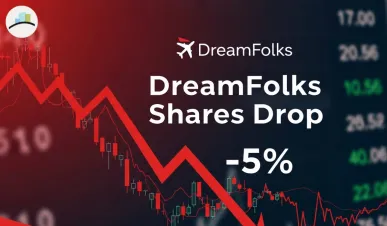
In an unexpected and dramatic move, DreamFolks Services, a prominent player in the airport services and lounge sector, saw its shares plummet by 5% following the announcement of its decision to exit the domestic airport lounge business. This move has left investors, analysts, and industry insiders scrambling to make sense of the company’s future, and the broader implications of this sudden shift in strategy.
While DreamFolks has long been considered a leader in the airport lounge services space, especially with its expansive network across India’s busiest airports, this announcement has sent shockwaves through the market. The company’s stock fell sharply within hours, leaving many wondering whether this exit is a sign of deeper problems within the company or a strategic pivot with long-term growth potential. What’s behind this decision? And what could it mean for the company’s future in the rapidly evolving travel and hospitality industry?
Why is this important?
DreamFolks’ exit from the domestic lounge business isn’t just a corporate decision; it’s a pivotal moment in the Indian aviation and hospitality sectors. As the country’s aviation industry grows at a rapid pace, with millions of domestic and international passengers passing through its airports each day, the airport lounge sector is seen as a key area of growth. DreamFolks was a significant player in this space, offering luxury lounge access to travelers across India.
But this sudden exit raises a host of questions: Is DreamFolks losing its competitive edge in a highly profitable market? Has the company overestimated the profitability of its domestic operations, or is this a smart strategic decision to focus on more lucrative international markets? And, more crucially, what does this exit mean for the future of the domestic airport lounge business in India?
MORE ARTICLES:
What’s not being discussed enough?
While much of the public conversation has focused on DreamFolks’ exit and the immediate impact on its share price, what’s being overlooked is the broader strategic context in which this decision is taking place. This isn’t the first time a major player in the airport services sector has re-evaluated its business model amid shifting market conditions. The COVID-19 pandemic had already devastated the global travel industry, and while air traffic has rebounded, the landscape for businesses like DreamFolks is still in flux. The company’s decision could be tied to broader economic shifts, such as rising costs in the domestic lounge business, changing passenger preferences, or even regulatory hurdles in the Indian aviation sector.
More importantly, DreamFolks’ decision to pivot away from the domestic lounge business could signal that the company is betting on new revenue streams outside of the traditional airport lounge model. Could DreamFolks be shifting its focus toward digital platforms, international lounges, or other airport services? This exit might not be a loss—it could be a pivot toward something bigger.
The Unseen Consequences: What Happens Next?
While the immediate reaction has been a drop in shares, the long-term consequences of this move could be far more significant. For one, the decision might be an attempt by DreamFolks to streamline its operations and improve profitability by focusing on more profitable international markets or expanding into new business areas like travel technology or corporate partnerships. But how does this decision affect the company’s relationships with its current partners, including airport authorities and other stakeholders?
-
Loss of Market Share: DreamFolks’ exit from domestic lounges opens the door for competitors to gain a larger share of the market. Companies like Plaza Premium Lounge, LoungeKey, and even emerging players are likely to capitalize on DreamFolks’ departure, potentially eroding its competitive edge. This could result in a fragmented lounge market in India, with a number of smaller players vying for market share in a space that DreamFolks once dominated.
-
Shifting Focus: International Expansion?: The sudden exit from the domestic lounge business could be a precursor to DreamFolks shifting its focus to international airports, where there’s a higher demand for premium lounge services. If DreamFolks is indeed pivoting towards international operations, this move could lead to a reinvention of the company—positioning it as a global player in the lounge business. This could also mean higher margins, as international airport lounges generally charge more for access than their domestic counterparts.
-
Changes in Passenger Experience: The domestic lounge exit also raises questions about the passenger experience at India’s airports. With fewer lounges available, passengers may have fewer options for relaxation and comfort during layovers or waiting times. The exit of DreamFolks from this sector might indicate a larger gap in the market, where travelers are increasingly looking for premium services—especially in a post-pandemic world that prioritizes health, safety, and convenience.
Economic and Business Implications: The Domino Effect
DreamFolks’ decision to withdraw from the domestic lounge business could send ripples through the aviation and hospitality industries. The company’s suppliers, partners, and competitors will all be impacted in different ways.
For suppliers and vendors: Companies that rely on DreamFolks for services, such as lounge amenities and customer service solutions, may need to find new partnerships or adapt to changing business models. These changes could disrupt the supply chain in the short term.
For competitors: The exit leaves an open space for competitors to expand their market share. This could lead to aggressive pricing strategies, potentially lowering profits for smaller or less established companies looking to capitalize on DreamFolks’ departure. Additionally, competitors may be forced to improve their offerings to meet consumer expectations, raising the quality of service across the sector.
Historical Parallels: A Glimpse Into the Future?
DreamFolks’ decision to leave a once-profitable segment of the business is reminiscent of other companies that have had to re-adjust their strategies in the face of evolving market demands. Think of major corporations that have spun off businesses or pulled out of certain sectors to refocus on more lucrative areas. This move parallels shifts in the travel industry during times of economic downturn or disruption, such as when airlines restructured their service models in response to rising fuel costs or economic recessions. The historical lesson here is that businesses must be agile to survive, and sometimes stepping back from a competitive market can lead to greater rewards elsewhere.
Hidden Opportunities for DreamFolks
While the immediate 5% drop in share price is concerning, the exit from the domestic lounge business could open up hidden opportunities. By refocusing its resources, DreamFolks may streamline operations and invest in more profitable areas. The company could consider expanding into other facets of travel, such as offering airport concierge services, expanding its partnership network, or even entering the digital realm of travel and hospitality. With India’s travel market set to grow exponentially, DreamFolks has the chance to rebrand itself as an innovative leader in the evolving travel industry.



