
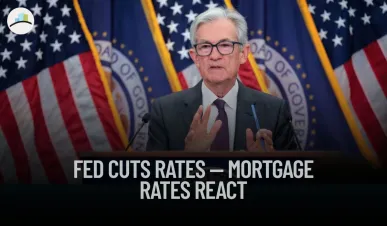
Recently, the Federal Reserve trimmed the federal funds rate by a quarter percentage point, marking its first reduction in nine months. This strategic move comes as inflation pressures ease and the labor market shows signs of cooling. The Fed’s intention is to gently encourage economic growth without sparking new inflation waves. Yet, while this decision signals a potential easing of borrowing costs, the ripple effects on mortgage interest rates are not straightforward and require a deeper look.
Mortgage Rates: Why They Don’t Always Follow the Fed’s Lead
Contrary to common belief, mortgage rates don’t automatically drop in sync with the Fed’s rate adjustments. Although there has been a recent dip in the average 30-year fixed mortgage rate to around 6.35%, this change is influenced by a host of factors beyond the federal funds rate. Investor sentiment, Treasury bond yields, inflation forecasts, and global economic conditions all play pivotal roles in shaping mortgage rates.
It’s crucial for prospective buyers and homeowners to understand that the Fed’s rate cut is just one piece of a much larger puzzle. Market forces and expectations about future economic trends often weigh more heavily on mortgage rates than the Fed’s immediate policy actions.
MORE ARTICLES:
Housing Market Challenges: Affordability Remains a Barrier
Lower interest rates typically signal better affordability, but today’s housing market is far from simple. Home prices remain stubbornly high in many regions, and supply shortages persist. These factors limit the ability of many buyers to enter the market, even with slightly improved financing terms.
Moreover, tightening credit standards and higher living costs compound these challenges. So, while the Fed’s rate cut may reduce borrowing costs, it won’t immediately resolve the affordability crisis. Buyers need to factor in these broader market realities when planning their home purchase.
Refinancing: Opportunities and Cautions
For homeowners with existing mortgages, the recent softening in rates offers a promising refinancing window. Refinancing can help reduce monthly payments, free up cash flow, or shorten loan terms, which is particularly attractive given the higher rates many locked in last year.
However, refinancing decisions should be carefully weighed. Closing costs, the length of time a homeowner plans to stay in the house, and the specifics of the new loan all influence whether refinancing makes financial sense. Consulting with a mortgage professional is advisable to tailor decisions to individual circumstances.
🚨JUST IN : Crypto market cap climbed 2% to $4.2T with Bitcoin eyeing $118K after the Fed’s rate cut — though Powell’s cautious stance kept a lid on further gains.#CryptoMarket #FedRatehttps://t.co/0YHwo2MsCy
— Mariana Baltazar (@BaltazarMa24118) September 18, 2025
Monitoring Economic Indicators: What to Watch Next
Looking forward, mortgage rates will hinge on how key economic indicators evolve. Inflation trends, wage growth, employment data, and geopolitical events will all influence the Federal Reserve’s future moves and market expectations.
Homebuyers and investors should keep a close eye on the Consumer Price Index (CPI), employment reports, and Fed communications. These indicators will offer critical signals on whether the Fed will continue easing or pivot back to tightening, which would impact mortgage costs and housing demand.
Disclaimer:
This article is for informational purposes only and does not constitute investment advice or a recommendation to buy or sell any securities. Procapitas does not provide personalized financial advice. All investment decisions should be made in consultation with a licensed financial advisor. The information presented is based on publicly available sources and Procapitas’ independent research and analysis, which are believed to be reliable but are not guaranteed for accuracy or completeness.



