
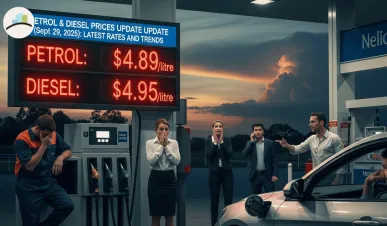
Petrol and Diesel Prices UPDATE: What’s Really Going On and Why You Should Care!
Hold onto your wallets! Petrol and Diesel prices in India have become a hot topic, sparking debates and leaving people wondering—why do the rates keep changing, and more importantly, what could happen next? As of September 29, 2025, fuel prices have hit a crucial tipping point, with major cities showing minor fluctuations but overall stability. But will this last? And what’s behind these seemingly small shifts that could have massive consequences for your wallet and the economy? This isn’t just about gas stations charging more; it’s about a global puzzle where every piece matters.
Let’s break it down and uncover what these fuel price updates really mean for your pocket and the future of fuel in India. Is the next price spike right around the corner? Or are we heading for something even bigger?
MORE ARTICLES:
Why Are Petrol and Diesel Prices on the Edge?
The truth is, fuel prices are anything but straightforward. While the government has been making efforts to stabilize costs, there are several factors at play that could drastically impact the next price update. Here’s why you should be paying close attention:
-
Global Crude Oil Prices: Crude oil is the base for both petrol and diesel. When global oil prices fluctuate, it directly impacts how much we pay at the pump. On September 26, 2025, crude oil prices saw a slight uptick, putting pressure on domestic rates. If these prices continue to rise, expect an increase in fuel prices.
-
Rupee vs Dollar: India imports a huge chunk of its oil, and the cost of oil is priced in dollars. If the rupee weakens against the dollar, fuel costs automatically go up. Currently, the rupee is under strain due to international factors—a critical concern for the average consumer.
-
Government’s Taxation Policies: The tax structure in India has always been a point of contention. State and central taxes contribute heavily to the price of petrol and diesel. A sudden tax hike or cut could significantly push the prices one way or the other. Will the government intervene soon, or will the prices rise even further?
Petrol and Diesel Prices Today (Sept 29, 2025)
Here’s a look at what you’re paying at the pump today in major cities:
-
New Delhi:
-
Petrol: ₹94.77/L
-
Diesel: ₹87.67/L
-
-
Mumbai:
-
Petrol: ₹103.50/L
-
Diesel: ₹90.03/L
-
-
Kolkata:
-
Petrol: ₹105.41/L
-
Diesel: ₹92.02/L
-
-
Chennai:
-
Petrol: ₹100.80/L
-
Diesel: ₹92.39/L
-
-
Bengaluru:
-
Petrol: ₹102.92/L
-
Diesel: ₹90.99/L
-
Is this just a short-term fluctuation, or is this the beginning of a much bigger trend that will affect India’s economy? Buckle up—this could just be the calm before the storm.
What Could Happen Next? The Future of Fuel Prices in India
Let’s get into the big picture—could petrol and diesel prices surge again in the coming weeks or months? Here’s what to expect:
-
Global Oil Market Shocks: If tensions in the Middle East escalate or if OPEC decides to cut production, we could see price hikes that would shock consumers. Could we be looking at ₹120 per litre petrol soon?
-
Impact of Domestic Elections: With state elections in the pipeline, the government might be tempted to make adjustments to taxes or subsidies to gain political favor. What does that mean for you? Cheaper fuel? Or another round of price hikes?
-
Push Towards Electric Vehicles: As the government pushes for a greener future, could we see an increased focus on electric vehicles (EVs), and in turn, reduced fuel dependency? This could mean stabilized prices in the long term, but will the transition be smooth or bumpy?
-
The Risk of Supply Chain Disruptions: With global supply chains under stress, India could face further import challenges. This could push fuel prices higher as demand outstrips supply. Will there be another supply crunch ahead?
Why This Matters to You: The Real Cost of Rising Fuel Prices
Fuel prices aren’t just about filling up your car. Rising petrol and diesel costs have a ripple effect across the entire economy. Here’s what’s at stake:
-
Transportation Costs: Higher fuel prices mean that transporters will charge more to move goods, leading to higher prices for everyday items—groceries, electronics, and more.
-
Inflation: As fuel prices go up, so does the cost of living. The common man bears the brunt, with food, household items, and utilities becoming more expensive.
-
Impact on Travel: If petrol prices continue to climb, vacations, road trips, and personal travel could become out of reach for many people. Will it lead to a decline in tourism or force people to change their travel habits?
How to Manage Fuel Costs and Save Money
While fuel prices are out of our hands, there are ways to adapt and save money:
-
Carpooling: Share rides with friends or colleagues to reduce fuel costs.
-
Efficient Driving: Avoid harsh acceleration, maintain consistent speeds, and keep your car in top shape to improve fuel efficiency.
-
Alternative Transport: Consider using public transport or electric vehicles to cut down on fuel costs in the long term.
-
Track Fuel Prices: Use apps and websites to monitor local fuel prices and fill up when rates are lower.



