
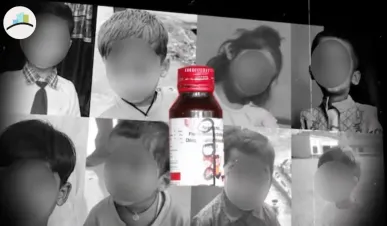
WHO Drops Bombshell Warning on 3 Dangerous Cough Syrups After Shocking Child Deaths in Madhya Pradesh!
In a jaw-dropping announcement, the World Health Organization (WHO) has issued a critical warning regarding three deadly cough syrups linked to the heartbreaking deaths of children in Madhya Pradesh. One of the syrups at the center of this shocking discovery is none other than Coldrif, a popular over-the-counter medication that many parents rely on to soothe their kids' coughs and cold symptoms.
What could this mean for the future of over-the-counter medications? Could this be the beginning of a much larger crisis? The impact of this revelation is sending shockwaves through healthcare professionals, parents, and regulatory bodies. But there’s more to this alarming warning than meets the eye.
MORE ARTICLES:
A Silent Killer in Your Medicine Cabinet?
For parents across India, the news that Coldrif and other similar syrups have been linked to multiple child fatalities comes as a devastating blow. The question on everyone’s mind now is: how could a product deemed safe for children turn deadly?
This is not just another “bad batch” situation. WHO’s warning raises serious concerns about the safety of widely used medications. The exact mechanism behind these deaths is still under investigation, but early signs point to severe adverse reactions—reactions that were previously undetected by health authorities and manufacturers.
With cold and flu season in full swing, this warning could affect millions. So, how did we get here, and what are the possible consequences?
The Coldrif Crisis: What Went Wrong?
Coldrif, a common remedy for children’s coughs and colds, has been marketed as a trusted solution by many. However, in a twist that no one could have predicted, this syrup—along with two other unnamed syrups—has now been linked to fatalities among children in Madhya Pradesh.
Reports from local hospitals are increasing, with doctors confirming that the deaths followed the administration of these syrups. The WHO, upon reviewing the data, has flagged these products as potentially lethal for children. But why weren’t these risks identified earlier?
Could it be the result of negligence by manufacturers? Or is there a deeper systemic problem in the regulatory oversight of pharmaceutical products?
The WHO's warning is the first major acknowledgment that something went terribly wrong with the production or safety testing of these widely distributed syrups.
Why is This a Bigger Deal Than You Think?
This isn’t just about Coldrif. The warning also involves two other cough syrups that share similar active ingredients and pose the same life-threatening risks to children. The implications for public health are enormous.
-
Regulatory Gaps Exposed: Could this be the tip of the iceberg? What about other over-the-counter syrups and medications?
-
Trust in Medicine Shattered: Parents are now questioning what they can trust for their children. How many other products on the market could be dangerous without us knowing?
-
Legal and Financial Fallout: With these fatalities, manufacturers could face lawsuits, and the pharmaceutical industry as a whole may undergo intense scrutiny. The financial and legal consequences could be massive.
This warning isn’t just about one product—it's about a widespread crisis in consumer safety.
What Should You Do?
If you’ve ever given your child a cough syrup to relieve cold symptoms, you need to pay attention to this warning. The WHO has made it clear: Coldrif and similar syrups are not safe for children and must be avoided at all costs.
Here’s what you need to do right now:
-
Stop Using These Syrups: If you have any of these syrups in your home, dispose of them immediately.
-
Consult a Doctor: If your child has consumed any of these syrups recently, seek medical attention immediately.
-
Stay Updated: Keep an eye on local news and official health updates regarding any new findings or recalls.
What Could Happen Next? The Domino Effect
-
Wider Recalls on the Horizon?: The WHO’s warning is just the beginning. Other countries may soon follow suit, issuing their own warnings or banning these products outright.
-
Regulatory Overhaul: This could force Indian authorities to rethink the approval processes for over-the-counter medicines, leading to stricter safety standards.
-
Pharma Industry Shakeup: Pharmaceutical companies behind these products may face severe reputational damage, hefty fines, and a potential fall in sales. Could this lead to a major industry shift toward more stringent quality checks?
As we wait for the next update, one thing is certain: this story is far from over. The WHO’s warning has ignited a firestorm, and the world is watching to see how this scandal unfolds.



