
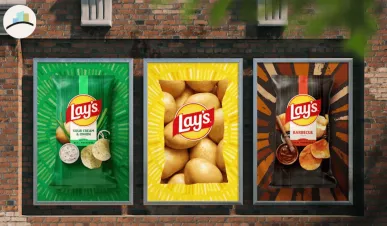
Lay’s Rebrands After 42% of Consumers Didn’t Know Chips Were Made from Potatoes: The Shocking Truth Behind the Change
In a move that has sent shockwaves through the marketing and snack food industries, Lay’s has announced a dramatic rebranding effort following a disturbing revelation: a staggering 42% of consumers didn’t know their chips were made from potatoes. Yes, you read that right—almost half of Lay’s loyal consumers were clueless about the most basic fact about the product they’ve been munching on for years.
But what does this mean for Lay’s and the broader snack food market? Let’s break down why this seemingly minor statistic has led to a complete overhaul of one of the world’s most beloved snack brands, and what the hidden implications might be for the entire food industry.
MORE ARTICLES:
The Startling Discovery: 42% Didn’t Know Chips Were Made from Potatoes
The news broke after recent consumer research revealed that a shocking 42% of consumers were completely unaware that potato chips—those crispy, golden, salty snacks—are actually made from potatoes. This bombshell revelation raises several pressing questions:
-
How did this happen? With the massive global reach of Lay’s and the ubiquity of potato chips, how could such a fundamental detail be lost on so many consumers?
-
Why is this important? This oversight suggests a serious disconnect between consumers and the products they consume. It points to potential gaps in branding, consumer education, and overall product knowledge that can severely impact a brand's credibility.
Lay’s Reaction: A Total Rebrand to Win Back Trust
In response to the shocking finding, Lay’s has moved quickly to launch a full-scale rebranding effort. Here’s how the brand plans to rebuild its image and ensure its loyal customer base remains intact:
1. Transparent Ingredient Labeling
Lay’s will now implement clearer ingredient labeling that prominently emphasizes the fact that their chips are made from real potatoes. Expect packaging to change, with more prominent displays of transparency and educational details about the source and quality of the potatoes used.
2. Consumer Education Campaign
Beyond the packaging, Lay’s is rolling out a massive educational campaign. Through TV ads, social media, and influencer partnerships, Lay’s aims to educate consumers about the simple, natural ingredients that make up their chips. The company is committed to ensuring that consumers no longer mistake their chips for a processed snack made from anything other than potatoes.
3. A Digital Overhaul
Lay’s will also invest heavily in digital engagement, using interactive social media posts and educational content to connect with younger, more tech-savvy consumers who may have been the most oblivious about the origins of their snack. This effort is focused on closing the gap between brand messaging and consumer knowledge.
The Hidden Implications: What This Means for the Snack Industry
This unbelievable discovery about Lay’s products goes far beyond the company itself. It speaks to a broader trend of consumer ignorance that could have far-reaching implications for the snack food and packaged food industries:
1. The Rise of Transparency in Food
Consumers are increasingly demanding transparency from the brands they support. This finding highlights a larger trend: as food-conscious consumers want more insight into where their food comes from, brands must adapt or risk losing their market share. This could lead to a new wave of product labeling and marketing strategies focused on authenticity and sourcing.
2. Rebranding to Stay Relevant
Lay’s isn’t the only brand that will face these challenges. As more companies are forced to re-evaluate their marketing and consumer education practices, the question arises: Who else is hiding behind unclear labels? Will other brands in the snack food industry follow suit and begin rebranding to become more transparent?
3. Economic Implications
While consumer confusion might seem like a trivial issue, it can lead to economic consequences. If the market demands more transparency and cleaner ingredients, companies may face increased production costs. This could push prices higher or force some brands to cut corners, potentially affecting the quality of products.
The Bigger Picture: Why This Matters for Consumer Behavior
This rebranding might be seen as a short-term fix, but the deeper issue lies in consumer behavior. If so many people were unaware that their chips were made from potatoes, what does this say about the depth of understanding consumers have about what they’re eating in general?
-
Health Concerns: With the rise of health-conscious eating and concerns about ingredients like sugar, preservatives, and artificial additives, consumers may start to demand more transparency in all food categories, not just snacks.
-
Brand Loyalty: Brands that fail to educate their customers about basic product facts risk losing trust. Lay’s is working hard to rebuild this trust, but for many consumers, it may take more than just flashy campaigns and new labels. They may require more proof that brands care about the truth behind their products.
What’s Next for Lay’s? The Road Ahead
The full impact of this drastic rebranding will unfold over the coming months, but the question remains: Will this be enough to restore Lay’s reputation? The company is facing a tightrope walk—one that requires perfect execution of transparency, customer engagement, and continued trust-building. If they succeed, it could lead to long-term growth in the healthy snack sector. If not, they risk becoming just another brand lost in the noise of an increasingly aware and educated consumer market.



