
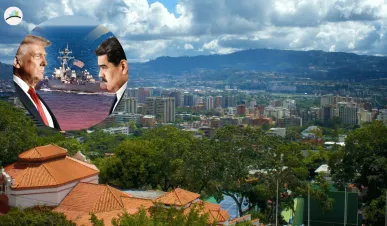
CARACAS, Venezuela Venezuela is once again drawing international attention as the country experiences significant developments in its economy, energy sector, and political landscape. Growing interest from global markets, renewed discussions about oil production, and ongoing economic challenges have placed the South American nation back in the spotlight.
As one of the world's largest oil-producing countries, Venezuela continues to play an important role in global energy markets. At the same time, the country faces the difficult task of balancing economic recovery with long-standing structural issues that have affected millions of citizens over the past decade.
Oil Industry Drives Economic Momentum
The oil sector remains the backbone of Venezuela's economy. Increased production and stronger international demand have provided the government with additional revenue and renewed optimism about future growth.
Venezuela is opening its doors to global energy investors.
— African Energy Chamber (@energy_african) June 2, 2026
From October 26–29, #Caracas will host Venezuela Energy Week (VEW) 2026, the country’s largest-ever international energy investment summit, bringing together oil companies, investors, financiers and technical service… pic.twitter.com/k11Npx0SPl
Energy experts note that Venezuela's vast oil reserves position the country as a potentially significant supplier in a world where energy security remains a major concern. Rising exports have strengthened the nation's presence in international markets and generated new opportunities for investment and economic activity.
However, analysts caution that long-term success will depend on modernizing infrastructure, attracting foreign investment, and ensuring stable production levels in the years ahead.
Economic Recovery Faces Major Obstacles
Despite encouraging signs in the energy sector, many Venezuelans continue to face economic difficulties. High prices, currency instability, and limited purchasing power remain key concerns for households across the country.
While some economic indicators have improved compared to previous years, challenges such as inflation and wage growth continue to affect daily life. Many citizens are hoping that increased government revenue from oil exports will translate into better public services, stronger employment opportunities, and improved living standards.
Economists argue that sustainable recovery will require diversification beyond oil and the development of industries that can create long-term economic stability.
Caracas Remains the Center of Change
The capital city of Caracas continues to serve as the political, financial, and cultural hub of Venezuela. Government agencies, major businesses, and international organizations closely monitor developments taking place in the city as policymakers work to address economic and social challenges.
In recent years, Caracas has seen gradual signs of commercial activity returning to certain districts, with new businesses opening and investment increasing in select sectors. While significant challenges remain, some observers view these changes as indicators of cautious economic progress.
MORE ARTICLES:
Political Landscape Continues to Evolve
Political discussions remain central to Venezuela's future. Government leaders face pressure to implement reforms that encourage investment, improve economic conditions, and strengthen confidence among citizens and international partners.
Observers note that Venezuela's political environment continues to influence foreign relations, trade agreements, and investor sentiment. Decisions made by policymakers in the coming months could shape the country's economic trajectory for years to come.
The government has emphasized efforts to strengthen national development, while critics argue that additional reforms are needed to address underlying economic concerns.
Currency Concerns Affect Everyday Life
One of the most pressing issues for Venezuelans remains the value of the national currency. Fluctuations in exchange rates have affected consumer spending and business operations throughout the country.
Many residents continue to rely on alternative financial strategies to manage rising costs and protect their purchasing power. The situation has highlighted the importance of monetary stability as a key component of broader economic recovery efforts.
Financial experts believe that maintaining confidence in the currency will be critical to supporting future growth and attracting investment.
Venezuela’s Growing Role in Global Energy Markets
As global demand for energy remains strong, Venezuela's strategic importance has increased. International markets continue to monitor developments in the country's oil industry, particularly as energy-producing nations seek to balance supply and demand.
The country's extensive natural resources provide a significant advantage, allowing it to remain an important participant in global energy discussions. Analysts believe that if production continues to expand, Venezuela could strengthen its position as a major energy supplier in the coming years.
This renewed relevance has also encouraged greater international interest in the nation's economic and political developments.
Outlook for 2026
Venezuela enters the remainder of 2026 with both opportunities and challenges ahead. The country's energy sector offers a foundation for growth, while economic reforms and financial stability will likely determine the pace of recovery.
For many citizens, the hope is that increased economic activity will lead to tangible improvements in quality of life, employment opportunities, and public services. Meanwhile, international observers continue to watch closely as Venezuela seeks to redefine its place in the global economy.
The coming months are expected to be crucial as the nation works to transform its natural resource wealth into long-term prosperity and sustainable development.



