
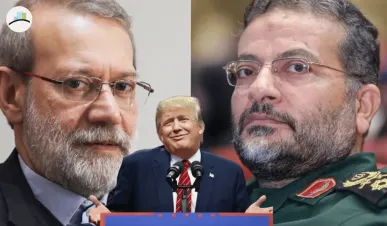
In a dramatic escalation of the US-Iran conflict, two of Iran’s most influential figures, Ali Larijani and Gholamreza Soleimani, were killed in a military strike attributed to Israel, according to reports. This marks a significant turning point in the ongoing war, which has seen increasing global repercussions. The killings come amid rising tensions, with the Trump administration reacting fiercely, even lashing out at its allies for their lack of support.
Authorities have confirmed the deaths of senior figures, including Basij commander Gholamreza Soleimani and Security Council secretary Ali Larijani, who was reportedly killed along with his son and aides.https://t.co/XM9iICHtW3
— Eurasian Press (@EurasiaPress1) March 18, 2026
These latest developments have sparked international outrage, with governments worldwide closely monitoring the situation. Here’s what you need to know about the escalating war between the United States and Iran.
Who Was Ali Larijani?
Ali Larijani, a former Speaker of the Iranian Parliament, was one of the most prominent political figures in Iran. A key strategist and influential leader, Larijani played a crucial role in shaping Iran’s domestic and foreign policy. His death, along with Gholamreza Soleimani, has sent shockwaves through the political landscape, leaving many to wonder how Iran will respond and whether this will lead to more violent confrontations.
Gholamreza Soleimani: A Key Military Leader Gone
Gholamreza Soleimani, the Basij commander, was another pivotal figure in Iran’s military apparatus. Soleimani led the powerful paramilitary force Basij, which played a crucial role in maintaining domestic security and supporting Iranian military efforts abroad. His loss is significant for Iran’s military strategy, particularly as the country grapples with an ongoing US-led campaign targeting its influence in the region.
MORE ARTICLES:
Trump’s Criticism of Allies and Iran’s Retaliation Near Australian Base
Following the deaths of these key officials, President Trump made headlines with his harsh remarks against US allies, accusing them of failing to provide adequate support in dealing with Iran. The US President emphasized that the United States would "leave Iran in the very near future", shifting its military focus to other global priorities.
As Trump continues his fiery rhetoric, Iran has begun retaliating. Iranian forces launched a strike near an Australian military base in the Middle East, escalating tensions further. This move has raised alarm in the international community, with Australia putting its military personnel on high alert and reviewing security measures.
Iran's Foreign Minister Pushes Back
Iran’s Foreign Minister, Abbas Araghchi, has insisted that the Islamic Republic is built to withstand such shocks. He emphasized that no single figure, no matter how powerful, can destabilize Iran’s political system. Araghchi's statements highlight the Iranian government's resilience and determination to continue its defiance against external forces.
This stance is not just political but deeply symbolic, showing that Iran views the loss of key figures as an opportunity to rally its citizens and reassert its dominance in the region.
Global Impact and What’s Next for the US-Iran Conflict
The US-Iran war continues to have far-reaching consequences for global politics. As tensions mount, the Middle East remains a hotspot for conflict, with regional powers and global superpowers closely involved. The international community is grappling with the implications of the escalating violence, and many are calling for de-escalation and diplomatic solutions before the situation spirals out of control.
The deaths of Larijani and Soleimani have undoubtedly intensified the conflict. Analysts predict more military strikes and possible proxy battles as both sides seek to assert control.
Where to Watch for Updates
For live updates on the US-Iran war and to track the current developments, visit trusted news outlets for real-time information. The situation remains fluid, with global governments taking steps to manage their response to the unfolding crisis.



