
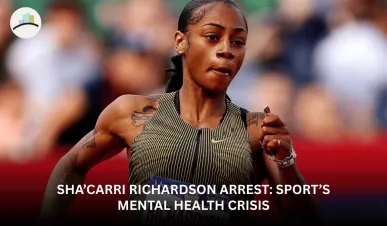
A Golden Girl's Fall—or a Mirror on Our Own Expectations?
In an age where athletes are heroes one minute and headlines the next, Sha’Carri Richardson’s recent arrest at Seattle-Tacoma International Airport isn’t just another celebrity misstep—it’s a watershed moment for how we judge, support, and capitalize on Black excellence under pressure.
The 100m world champion, who captivated the globe with her electric comeback after a 2021 cannabis ban, now faces scrutiny for allegedly assaulting fellow sprinter Christian Coleman during an altercation at a boarding gate. She was detained for nearly 19 hours on fourth-degree domestic violence charges—though Coleman didn’t press charges and the case was dropped.
Still, the implications linger far beyond a legal document.
This Isn’t Just About Richardson
Why is this important? Because it unpacks a long-ignored tension in modern sport: the gap between how athletes are sold to us—and how they're supported behind the scenes. Richardson is not just a record-breaking runner; she’s a symbol of resilience, representation, and reinvention. And that image now faces a brutal stress test.
MORE ARTICLES:
What No One’s Talking About
1. Athlete Branding Is Reaching a Breaking Point
Richardson has been turned into a brand: fast, fierce, unapologetic. But personal trauma doesn’t run on sponsorship timelines. The arrest—public, messy, and tied to interpersonal volatility—throws into sharp relief the limits of turning people into products.
2. A Crisis in Athlete Mental Health Infrastructure
Sports bodies like USATF celebrate athlete excellence but rarely fund emotional recovery. Richardson has spoken of grief, anxiety, and coping mechanisms. This incident is less a fall from grace than a signal that athlete welfare systems are reactive, not preventative.
3. Media’s Role in Building—and Breaking—Athletes
The very platforms that hailed Richardson’s “comeback queen” arc now feast on her vulnerability. The cycle is profitable—until it costs a human their peace. What does this say about modern media ethics in sports?
4. Race, Redemption, and Repercussion
Would this incident be seen differently if it involved a white male swimmer or quarterback? The framing of Richardson as “problematic” ignores how America selectively punishes Black women for defiance—while praising others for passion.
The Bigger Risk: Not Her Image, But the Sport’s Soul
In an Olympic year, this controversy could shake fan confidence and commercial deals. If governing bodies like World Athletics and USATF don’t step in with care-based reform, they risk alienating a generation raised on authenticity, not just medals.
Worse, silence would reinforce a broken culture where athletes are profitable until they’re problematic—and disposable once they’re vulnerable.



