
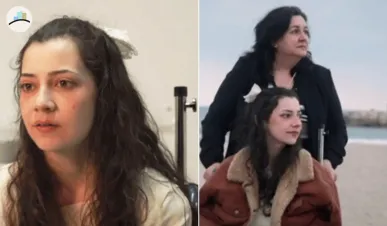
Spain, Noelia Castillo Ramos, a woman who became the face of a long and intensive legal battle for the right to die, has died by euthanasia following years of advocacy to secure medical assistance in ending her life.
Her death has sparked international attention, raising fresh debate about euthanasia laws, patient autonomy, and how legal systems balance compassion with ethical boundaries.
Castillo Ramos’ case underscored the difficulties many terminally ill or severely disabled people face when seeking control over their final days, as well as the broader social and legal conversations surrounding assisted dying.
🇪🇸 A young Spanish woman will be euthanized today, after a group of illegal migrants gang-raped her while she was in state care.
— Visegrád 24 (@visegrad24) March 26, 2026
In 2022, the teenager Noelia Castillo Ramos placed in a state institution amid family difficulties and placed in a state-run home together with North… pic.twitter.com/8Rrv76Alot
The Long Legal Battle for the Right to Die
Castillo Ramos became widely known in Spain due to her persistent effort to obtain permission for medical assistance in dying. Her fight lasted several years and involved multiple appeals to courts and public statements about her condition and rights.
Supporters and human rights advocates backed her efforts, describing her legal journey as both “courageous” and “pivotal” in the ongoing debate about euthanasia laws in Spain and Europe.
Although euthanasia and assisted dying are permitted in several countries under specific conditions, each case often involves intense legal scrutiny that weighs an individual’s rights against complex ethical and medical considerations.
What Led to the Euthanasia Decision
Although she battled serious health challenges, the precise medical details of Castillo Ramos' condition were personal and not fully disclosed in public reports. What drew public interest was the severity of her suffering and her determination to have a legal path to euthanasia.
Her case ignited public discussion about how laws treat individuals experiencing suffering that some argue cannot be alleviated by traditional medical interventions.
After extended legal efforts and public attention, the necessary permissions were finally granted, leading to medical assistance in her death a controversial yet closely watched moment in medical law history.
MORE ARTICLES:
Euthanasia Laws in Spain: What Changed
Spain’s legal framework on assisted dying has evolved over recent years. While some countries have long‑standing laws on medical assistance in death, others, including Spain, have developed legislation more recently with strict criteria.
Castillo Ramos’ case helped illuminate:
- The legal hurdles individuals face
- The emotional and ethical weight carried by families
- The evolving public perception of euthanasia rights
Her story became central in discussions about whether existing legislation appropriately balances patient autonomy with protections against misuse.
Public Reaction and Wider Debate
Reaction to Castillo Ramos’ death and the legal battle that preceded it has been mixed but deeply engaged.
Human rights groups and advocates for assisted dying praised her courage and highlighted the need for accessible legal options for those suffering intolerably. Many spoke of her determination as drawing needed attention to gaps in existing systems.
Critics, including certain medical and religious groups, cautioned against broad interpretation of euthanasia laws, warning about potential risks and ethical dilemmas that come with permitting medical professionals to assist in death.
Across social media and news commentary, conversations have continued about how society should approach end‑of‑life choices, dignity, and compassion.
The Legacy of Noelia Castillo Ramos
While Noelia Castillo Ramos may have passed away, her story remains a touchstone in the euthanasia debate particularly in Spanish‑speaking countries and among activists worldwide.
Her case prompts reflection on:
- The meaning of personal autonomy
- The emotional weight of terminal suffering
- The role of law in deeply personal medical decisions
For many, her fight became an emblematic struggle that highlighted both the hopes and the challenges of establishing legal rights to assisted dying.



