
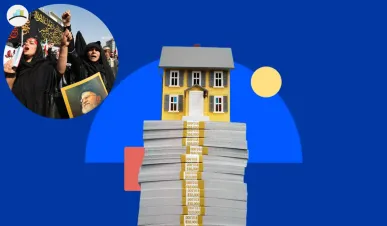
Okay, here’s the deal. Mortgage rates are up — and it’s making things a lot harder for people looking to buy or refinance homes. The reason behind the rise? Well, the ongoing Iran war is causing a lot of uncertainty, and that’s affecting global markets in a big way. You might be thinking, “How does a war on the other side of the world affect me buying a house in the U.S.?” Well, the answer lies in oil prices and the way they affect everything from energy to interest rates.
MORE ARTICLES:
So, Why Are Mortgage Rates Going Up?
It’s actually pretty simple, even though it might sound complicated at first. When a major conflict like this happens, it messes with global oil supplies. Iran is a key player in the oil market, and with tensions rising, oil prices have been jumping up. That drives inflation higher — meaning everything gets more expensive, from your groceries to the cost of running your car. But here's the kicker: mortgage rates follow the 10-year U.S. Treasury yield, which goes up when inflation worries increase. So, higher oil costs push bond yields up, which then pushes mortgage rates up.
In the last few weeks, the 30-year fixed mortgage rate jumped to about 6.43%. It’s the highest it’s been in months. A few weeks ago, rates were under 6%, and buyers were feeling a bit better about locking in a deal. But now, those hopes are fading. Honestly, it’s frustrating for a lot of people who were hoping for more breathing room to buy homes or refinance.
How Is This Affecting Homebuyers?
So, what does all this mean for regular buyers? Well, if you’ve been shopping for a house lately, you’re probably noticing higher monthly payments. That’s because mortgage rates are tied to how much you’ll pay each month. A higher interest rate means paying more on your loan over time.
For a lot of buyers, the jump in rates is making them think twice about pulling the trigger. Applications for mortgages have dropped by more than 10% in just a couple of weeks. People are holding back, waiting to see if rates will drop again. But the thing is, no one really knows if they will. Honestly, it’s just a lot of uncertainty right now. And for many, higher rates mean a bigger financial burden, which could push them out of the market.
Builders and real estate agents are already noticing this slowdown. Some are even lowering their expectations for sales this year because of the higher borrowing costs. It’s kind of a chain reaction: fewer buyers = fewer homes being sold = less activity in the market overall.
Big changes for all new home buyers coming to Ontario. They are removing the HST no matter if you are first time home buyer or it’s your second time and on. Can you tell how bad the housing market is right now? pic.twitter.com/CUNT6XhHdO
— Ryan Gerritsen🇨🇦🇳🇱 (@ryangerritsen) March 25, 2026
When Will This End? Will Rates Drop?
It’s hard to say exactly when things will cool off. The truth is, if inflation keeps rising and oil prices stay high, we could be looking at high mortgage rates for a while. The Federal Reserve might not drop interest rates anytime soon either, because inflation is still a big concern. A lot of experts think it’ll be a while before we see a break in the rates.
If oil prices start coming back down and the situation in Iran settles, things could improve. But that’s all up in the air. Some people are still holding out hope that rates will fall by the end of 2026, but no one knows for sure. Right now, it’s just a lot of watching and waiting.
So, yeah, things are tough for anyone looking to buy or refinance. If you’ve been waiting for a better deal, now might not be the best time, and it’s definitely something to consider. The good news is, it’s not all bad — if oil prices drop and inflation slows, we could see a shift in rates later on. But until then, it’s kind of a waiting game. Let me know if you want more info on what this means for you and how you can plan around it!



