
Middle East, Tensions in the ongoing conflict involving the United States, Israel, and Iran escalated after an Iranian missile attack on a Saudi air base wounded 12 U.S. troops, and Israel confirmed a missile launch from Yemen the first since the war began. These developments raise concerns about regional stability, with key Middle Eastern powers reacting swiftly.
The missile attack at the Prince Sultan Air Base in Saudi Arabia has sparked alarm, particularly as this attack is linked to the ongoing Iran‑Israel conflict, with further complicating factors from Yemen’s involvement.
Details of the Saudi Air Base Missile Attack
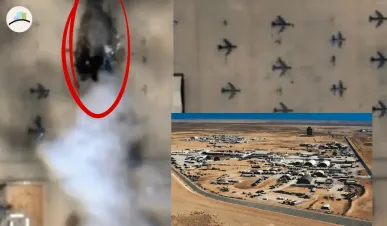
On March 27, 2026, a missile and drone assault hit the Prince Sultan Air Base in Saudi Arabia, a major U.S. military facility in the region. According to U.S. military sources, 12 U.S. troops were injured, with two in critical condition. The base serves as a key logistics and defense hub for the U.S. military and its allies in the region.
Though Saudi air defense systems intercepted some incoming threats, the attack caused significant damage, leading to casualties. The military strike has been officially attributed to Iranian‑linked forces, marking a clear escalation in the wider conflict.
In total, this attack adds to the growing toll of U.S. service members injured in the region, as the Iran‑Israel war spreads across multiple fronts, affecting U.S. interests directly.
MORE ARTICLES:
Civilian Impact and Regional Reactions
While the military impact of the attack is evident, experts have also raised concerns about the potential civilian consequences of these hostilities.
Saudi Arabia and UAE Response
- Saudi Arabia has condemned the missile strike, expressing solidarity with U.S. forces and vowing stronger defense measures along its borders. The Saudi military is on high alert, increasing security at strategic sites in light of rising tensions.
- The UAE, a key ally of both Saudi Arabia and the U.S., echoed similar sentiments, vowing to continue countering attacks on its infrastructure and urging the international community to take a stand against missile attacks in the region.
Satellite imagery appears to confirm a U.S. Air Force KC-135 Stratotanker has been destroyed and several others possibly damaged, as a result of an Iranian attack earlier today, utilizing ballistic missiles and drones, against Prince Sultan Air Base in Saudi Arabia.
— OSINTdefender (@sentdefender) March 27, 2026
Image… pic.twitter.com/o7x32UjUOb
Both nations have emphasized the importance of maintaining stability in the Gulf region, as it is a vital hub for global energy supply and trade. The attacks have heightened concerns over the security of global oil shipments through strategic choke points like the Strait of Hormuz and the Red Sea.
Regional Security Alliances and Potential Escalation
The Gulf Cooperation Council (GCC) countries, including Bahrain, Qatar, Oman, and Kuwait, have all expressed grave concern over the escalation and the involvement of Iran and Yemen. The missile launch from Yemen marks the first time this conflict has reached beyond Israel and Iran to involve Yemen directly, signaling a widening regional conflict.
Israel Confirms First Missile Launched from Yemen: What Does It Mean?
In a significant development, Israel’s military confirmed the first missile launch from Yemen toward Israeli territory. The missile was intercepted by Israeli air defense systems before it could reach its target. This marks a new phase in the regional conflict, as Iran‑backed Houthi rebels in Yemen have aligned themselves more closely with Iran’s broader geopolitical objectives.
The involvement of Yemen, a key regional player aligned with Iran, adds complexity to the Middle East conflict, indicating that the war is likely to spread further into the Arabian Peninsula. This escalation has brought Yemen into the broader context of the Iran‑Israel conflict and is a warning that other groups, previously confined to Iranian borders, might increase their offensive activities.
Global Implications: The Impact on Oil and Energy Markets
The missile attacks, particularly the one targeting the Saudi base, are heightening concerns about energy markets. As Saudi Arabia and the UAE are major oil exporters, disruptions in these countries’ infrastructure and defense systems can have global ramifications:
- Rising oil prices: Tensions in the region are likely to push oil prices higher due to uncertainty surrounding supply chains.
- Shipping disruptions: Energy shipments through the Red Sea and Strait of Hormuz may face more frequent disruptions as tensions rise.
With Iran asserting its presence across multiple conflict zones, it could further destabilize global markets, already volatile due to ongoing geopolitical risks.
What’s Next? The Ongoing Conflict and U.S. Response
In response to these developments, the U.S. has made it clear that it will continue to strengthen its military presence in the region, with additional defense systems deployed to counter incoming threats. President Joe Biden and Israeli Prime Minister Benjamin Netanyahu have coordinated closely, ensuring that Israel’s defense systems remain operational and U.S. personnel are protected.
Diplomatic channels are still open, though the prospects for peace in the region remain uncertain. Analysts suggest that the next steps will involve a combination of military deterrence and diplomatic efforts to avoid further escalation.



