
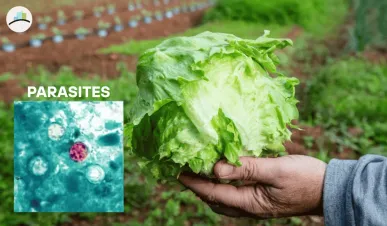
Michigan has reported the first two deaths connected to its rapidly expanding cyclosporiasis outbreak, with more than 11,000 cases recorded and nearly 200 hospitalizations. Officials are investigating lettuce and salad greens, but the federal recall specifically targets iceberg lettuce, not romaine.
A major foodborne illness outbreak in Michigan has taken a deadly turn.
State health officials have confirmed that two people died after contracting cyclosporiasis, an intestinal infection caused by the microscopic Cyclospora parasite. Both individuals had significant underlying medical conditions that may have been worsened by the infection and resulting dehydration.
Michigan had recorded 11,234 cyclosporiasis cases as of August 3, 2026. At least 193 patients had been hospitalized based on data reported through July 30. The two deaths are the first known fatalities connected to the outbreak, although officials stressed that death from cyclosporiasis remains uncommon in the United States.
The scale of the outbreak has placed fresh produce under intense scrutiny. Michigan officials say available evidence points towards lettuce or salad greens as a possible source, while a separate federal investigation has linked a large group of illnesses across nine states to recalled iceberg lettuce supplied by Taylor Farms de Mexico.
Michigan Cyclosporiasis Cases Cross 11,000
Michigan is currently the centre of one of the most serious cyclosporiasis outbreaks recorded in the United States.
BREAKING: The first two U.S. deaths of people sickened in the outbreak of cyclospora have been reported in Michigan. https://t.co/IJ2MsLHN0R
— The Associated Press (@AP) August 3, 2026
The state’s case count has risen sharply over recent weeks, increasing from 572 cases on July 4 to more than 11,000 by August 3. Southeast Michigan has been particularly affected, with health authorities previously identifying high case numbers in counties including Wayne, Washtenaw, Oakland, Monroe, Lenawee, Jackson, Livingston and Shiawassee.
The Michigan Department of Health and Human Services updates the total number of reported cases each weekday. However, those figures may change as new illnesses are identified, laboratory results are completed and local health departments submit additional information.
Officials have not released the identities, ages or locations of the two people who died. Medical records showed that both had serious underlying health conditions that may have been affected by cyclosporiasis and dehydration. Both became ill before the iceberg lettuce recall announced on July 17.
Why Michigan’s Case Count Is Higher Than the CDC Figure
The different figures being reported by Michigan and federal agencies may appear confusing, but they do not necessarily contradict each other.
Michigan’s count includes cases reported during the state’s wider outbreak investigation period. The CDC’s separate count covers laboratory-confirmed illnesses linked specifically to the multistate iceberg lettuce outbreak.
As of the latest CDC update, at least 1,947 confirmed infections and 98 hospitalizations across nine states had been tied to the recalled iceberg lettuce outbreak. Federal officials are also investigating other cyclosporiasis cases and outbreaks that may have different food sources.
This means not every Michigan case has been proven to come from the same lettuce supplier, restaurant or product. The state investigation continues to consider lettuce and salad greens as potential sources, but other foods have not been completely ruled out.
Is Romaine Lettuce Linked to the Michigan Cyclospora Outbreak?
Despite growing online searches and concerns about romaine lettuce, the current federal recall is for iceberg lettuce, not romaine.
The CDC and FDA have linked a portion of the multistate outbreak to shredded iceberg lettuce supplied by Taylor Farms de Mexico. Some of that lettuce was served at Taco Bell restaurants in Michigan, Indiana, Kentucky, Ohio and West Virginia.
Taylor Farms initiated a voluntary recall on July 17 covering all iceberg lettuce sourced from central Mexico. The recall included certain Marketside-branded iceberg salad and shredded lettuce products sold through Walmart, along with products supplied to restaurants and other retailers.
Recalled lettuce was distributed in multiple package formats and reached consumers, restaurants and retailers in at least 27 states. Anyone who still has a recalled product should not eat it and should instead return it or throw it away.
Michigan’s wider investigation refers more broadly to lettuce or salad greens, so residents should continue following state guidance. However, it would be inaccurate to claim that romaine lettuce has been officially identified as the recalled product in the federal outbreak notice.
What Is Cyclosporiasis?
Cyclosporiasis is an intestinal illness caused by Cyclospora cayetanensis, a microscopic parasite that can contaminate food or water.
The parasite infects the small intestine and most commonly causes frequent, watery diarrhoea. People usually develop symptoms around one week after exposure, although illness can begin anywhere from two days to more than two weeks later.
Unlike many common food-poisoning illnesses that appear within hours, the delayed onset can make an outbreak difficult to investigate. Patients may struggle to remember everything they ate during the weeks before becoming sick.
Cyclosporiasis is generally not considered life-threatening. However, prolonged diarrhoea can lead to serious dehydration, particularly among older adults, young children and people with weakened immune systems or existing health conditions.
What Are the Symptoms of Cyclospora Infection?
Watery diarrhoea is the most common symptom, but the infection can affect people in several ways.
Other possible symptoms include:
- Loss of appetite
- Weight loss
- Stomach cramps
- Bloating and increased gas
- Nausea
- Severe tiredness
- Headache or body aches
- Low-grade fever
- Vomiting in some cases
Without treatment, symptoms may continue for several days, a month or even longer. Some people temporarily improve before their diarrhoea and other symptoms return. Fatigue can also continue after the main digestive symptoms have stopped.
People experiencing persistent or sudden watery diarrhoea should contact a healthcare professional, particularly if they have recently eaten raw lettuce, salad greens or recalled products.
Patients May Need to Request a Specific Cyclospora Test
Routine stool testing does not always automatically include screening for Cyclospora.
The CDC advises people with relevant symptoms to speak with their healthcare provider and specifically discuss testing for the parasite. This is important because delayed diagnosis can allow diarrhoea, fatigue and dehydration to continue for an extended period.
Healthcare providers are also being asked to report suspected and confirmed cases to local health departments. Patient interviews about meals eaten during the two weeks before illness can help investigators identify additional food sources and distribution links.
How Is Cyclosporiasis Treated?
The CDC identifies the antibiotic combination trimethoprim-sulfamethoxazole, commonly known as TMP-SMX, as the preferred treatment for cyclosporiasis.
Most people with healthy immune systems will eventually recover even without treatment, but the illness can last considerably longer. Patients should not take antibiotics without medical advice, and anyone with a sulfa allergy should discuss appropriate options with their doctor.
Rest and adequate fluid intake are also important because frequent diarrhoea can cause dehydration. People who cannot keep liquids down, become unusually weak, experience confusion or show other signs of severe dehydration should seek urgent medical care.
Can Washing Lettuce Remove Cyclospora?
Washing fresh produce is still recommended, but it may not remove every Cyclospora organism.
The parasite can remain in small folds and crevices in leafy vegetables. Michigan health officials recommend purchasing whole heads of lettuce instead of pre-cut bagged products or mixed salad kits, removing the outer two or three layers and thoroughly washing the remaining leaves under clean running water.
People should wash their hands before and after handling raw produce and clean cutting boards, utensils, refrigerators and preparation surfaces that may have touched recalled lettuce. Cut or peeled produce should be refrigerated promptly.
Cooking produce to at least 158°F, or 70°C, can kill Cyclospora. Cooking may therefore provide additional protection for vegetables that are normally eaten either raw or cooked.
However, no amount of home washing makes a recalled product safe. Recalled iceberg lettuce should be discarded or returned rather than rinsed and eaten.
MORE ARTICLES:
Is Cyclosporiasis Contagious Between People?
Direct person-to-person spread is considered unlikely.
The parasite must mature outside the human body for approximately one to two weeks after being passed in faeces before it becomes capable of infecting another person. This makes immediate transmission between household members less likely than with several other intestinal infections.
The primary concern is consuming food or water contaminated with the parasite. Proper sanitation remains important because contamination can occur during growing, harvesting, packing, processing or food preparation.
Why Could More Cases Still Be Reported?
The number of illnesses may continue rising even after recalled products have been removed from sale.
Symptoms can take more than two weeks to appear, and it may take several additional weeks for a patient to seek medical care, receive the correct test and have the case reported to health authorities. The CDC estimates that determining whether a person belongs to an outbreak can take up to six weeks.
Some infected people also recover without being tested, meaning the actual number of illnesses may be higher than the official count.
Investigators are continuing to interview patients, examine food histories and trace produce through restaurants, retailers and distributors. They are also trying to determine whether sources beyond the recalled Taylor Farms iceberg lettuce contributed to Michigan’s unusually large case total.
What Michigan Residents Should Do Now
Anyone with recalled Taylor Farms de Mexico iceberg lettuce should throw it away or return it to the place of purchase. Containers, refrigerator shelves, utensils and surfaces that may have touched the lettuce should be cleaned with hot, soapy water.
Michigan residents preparing lettuce or salad greens should consider buying whole heads, discarding the outer leaves and carefully washing the inner leaves. People at higher risk of dehydration or serious illness may prefer cooked produce while the investigation continues.
Anyone experiencing persistent watery diarrhoea, loss of appetite, stomach cramps, nausea or unusual fatigue should contact a healthcare provider and mention the possibility of cyclosporiasis. A routine stool test may not automatically look for the parasite.
What Happens Next in the Investigation?
Michigan health officials are working with local health departments, the CDC, the FDA and agricultural regulators to identify every source contributing to the outbreak.
The CDC investigation into the recalled iceberg lettuce remains open. Federal officials say epidemiological and product-tracing evidence supports the connection to Taylor Farms de Mexico, although the FDA reported that a lettuce sample initially described as positive was later determined to be a false-positive laboratory result.
That distinction does not cancel the recall. Officials continue to advise consumers not to eat the affected products while investigators collect further samples and analyse the supply chain.
The major unanswered question is whether one contaminated source explains most illnesses or whether several produce items and distribution routes contributed to the unusually large number of cases.



