
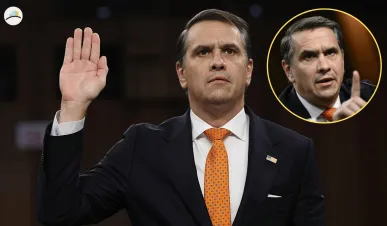
Acting U.S. Attorney General Todd Blanche has withdrawn the Justice Department's proposed Anti-Weaponization Fund just before a key Senate confirmation vote, a move that could help ease concerns raised by several lawmakers reviewing his nomination.
The decision comes after weeks of political debate surrounding the proposed fund, which had become one of the most closely watched issues connected to Blanche's confirmation process. By rescinding the initiative before it became active, the Justice Department removed a major point of contention ahead of the Senate Judiciary Committee's consideration of his nomination.
Why the Fund Was Controversial
My team and I have met with committee members and Senators over the past several weeks and addressed any concerns or outstanding questions. We have enjoyed good faith discussions, and as a result issue the following order and update with regard to the May IRS settlement. The… pic.twitter.com/U6hs15kw2D
— Acting AG Todd Blanche (@DAGToddBlanche) August 3, 2026
The Anti-Weaponization Fund was introduced as part of a legal settlement intended to address claims that some Americans had been unfairly targeted through federal investigations. Supporters believed the proposal would provide financial relief to individuals who argued they had experienced politically motivated government actions.
Opponents questioned both the legal authority behind the fund and the potential impact of distributing taxpayer money through the program. Critics also argued that the proposal raised broader concerns about how such compensation would be managed and who would qualify.
MORE ARTICLES:
Blanche Signs Order Ending the Program
Todd Blanche signed an official order canceling the program before it was implemented. Justice Department officials stated that the fund never became operational, meaning no payments were issued, no applications were processed, and no administrative board was established.
The department also confirmed that the order creating the fund has now been revoked, effectively ending the initiative before any public benefits were distributed.
Senate Confirmation Moves Forward
Several senators had expressed reservations about supporting Blanche's nomination while the fund remained in place. With the program now withdrawn, lawmakers are expected to continue the confirmation process without that issue remaining a central obstacle.
The Senate Judiciary Committee is expected to review Blanche's nomination as lawmakers evaluate his qualifications and priorities for leading the Department of Justice.
Political Response
The decision has generated mixed reactions across Washington.
Supporters say ending the fund demonstrates a willingness to address concerns raised during the confirmation process and allows attention to shift toward Blanche's broader plans for the Justice Department.
Critics, however, continue to question aspects of the legal settlement that originally included the proposal and say additional oversight may still be necessary.
What Happens Next?
With the controversy surrounding the Anti-Weaponization Fund largely resolved, attention now turns to the Senate confirmation process. Lawmakers will continue examining Todd Blanche's record, leadership approach, and plans for the Justice Department before voting on whether to confirm him as attorney general.
The outcome of the confirmation process could shape the department's priorities on federal law enforcement, legal oversight, and public trust in the years ahead.
Conclusion
Todd Blanche's decision to rescind the Anti-Weaponization Fund marks an important moment in his confirmation process. While the move removes a major political hurdle, senators are expected to continue closely examining his qualifications and policy positions before making a final decision. The coming vote will determine whether Blanche formally assumes leadership of the Justice Department at a pivotal time for the federal government.



