
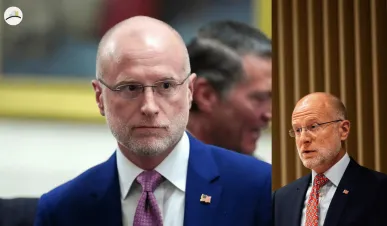
The debate surrounding media regulation in the United States has intensified after FCC Chairman Brendan Carr defended the agency's authority to review broadcast television licenses. His remarks came in response to criticism over the Federal Communications Commission's handling of matters involving ABC-owned television stations, sparking fresh discussions about government oversight and press freedom.
Carr maintains that the FCC's actions are based on existing communications laws and are not intended to interfere with newsroom decisions. However, critics argue that increased regulatory scrutiny of broadcasters raises important questions about the independence of the press.
FCC Says Public Airwaves Come With Responsibilities
Americans have been subsidizing broadcast media to the tune of billions by giving TV stations free use of a valuable public resource—the airwaves.
— Brendan Carr (@BrendanCarrFCC) July 31, 2026
In exchange, broadcasters are required to operate in the public interest.
The FCC is holding them accountable to that standard. pic.twitter.com/5jERd6dvv4
According to Carr, television broadcasters that operate over public airwaves receive licenses from the federal government and are required to meet legal obligations established under U.S. communications law. He explained that the FCC's responsibility is to ensure broadcasters continue serving the public interest while complying with applicable regulations.
Carr stressed that the commission's oversight applies to licensed broadcast stations and should not be viewed as an attempt to control editorial content or influence news coverage.
Why ABC Became Part of the Discussion
The recent attention centers on the FCC's review of matters involving ABC-owned local television stations. While the issue has generated significant public debate, Carr argues that the commission is carrying out its regular regulatory duties rather than introducing new rules aimed at any particular broadcaster.
He emphasized that license reviews are part of the agency's long-standing responsibilities and have existed under previous administrations regardless of political leadership.
Press Freedom Concerns Continue
Media organizations and free speech advocates have expressed concern that government scrutiny of television broadcasters could create uncertainty for news organizations. Some believe regulators must be especially cautious when reviewing stations that regularly report on political and public affairs.
Supporters of press freedom argue that any government action involving news organizations should be carefully balanced to avoid creating the perception of political influence.
Carr has responded by saying the FCC does not determine what journalists report and that its authority is limited to enforcing communications laws governing broadcast licenses.
MORE ARTICLES:
Broadcast Television Operates Under Different Rules
Unlike online news platforms, streaming services, or newspapers, local broadcast television stations operate under licenses issued by the federal government. Because they use publicly allocated radio frequencies, broadcasters are subject to a regulatory framework that has existed for decades.
This distinction has often placed broadcast television in a unique legal category compared with other forms of media. While digital platforms face fewer licensing requirements, traditional broadcasters continue to operate under federal communications regulations.
Ongoing Debate Over Media Regulation
Carr's comments have renewed discussion about whether current broadcast regulations remain appropriate in today's media environment. With audiences increasingly consuming news through streaming services, social media, and digital publications, many experts believe communications policies may continue evolving in the years ahead.
Supporters of existing regulations argue that broadcasters using public spectrum should remain accountable to established legal standards. Others believe the changing media landscape calls for a fresh examination of how broadcast oversight should work in the digital age.
What Could Happen Next?
Any regulatory proceedings involving broadcast licenses are expected to continue through the FCC's established administrative process. Television station owners will have opportunities to respond during reviews, and any final decisions could face legal challenges if disputes continue.
The broader discussion is likely to extend beyond one network, as policymakers, broadcasters, and legal experts examine how communications laws should be applied in an era where traditional television competes with digital media platforms.
Final Thoughts
Brendan Carr's defense of the FCC's authority has brought renewed attention to the relationship between broadcast regulation and press freedom. While the commission argues it is simply enforcing long-standing legal responsibilities tied to broadcast licenses, critics continue to question whether greater regulatory scrutiny could affect public confidence in media independence.
As the conversation unfolds, the issue is expected to remain an important topic in discussions about journalism, communications law, and the future of broadcast television in the United States.



