
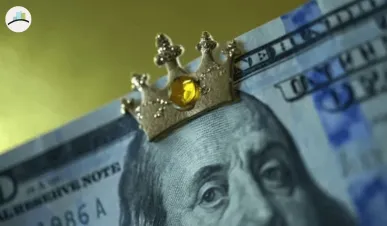
The mighty US dollar — long known as “King Dollar” now faces its toughest challenge yet. Asian nations, led by China and partners, are quietly plotting what could be the most significant shift in global money power in decades. Their goal? Reduce the dollar’s dominance in trade and financial systems and build a new monetary reality that could reshape the world economy.
Bluntly put: For the first time since World War II, a powerful bloc of nations no longer takes the dollar’s status for granted and they are acting on it.
The Dollar’s Dominance: What Was Once Unshakable
For over 80 years, the US dollar has been the go‑to currency for international trade, central bank reserves, and global investment. Governments, companies and investors have relied on the dollar because it’s seen as stable, safe and widely accepted — like the default language of global finance.
But that position is under pressure.
Asia’s Quiet Mutiny: Tools Beyond Rhetoric
The shift isn’t happening with shouts; it’s happening through infrastructure, payments and policy tools.
1. Digital Yuan Gains Real Teeth
China’s official digital currency — the e‑CNY — started out like an experimental token. Now it’s transformed into a yield‑bearing asset that can compete with bank deposits. That means users and financial institutions now have an incentive to hold it instead of dollars.
2. mBridge Payment Network Is Growing
A new cross‑border settlement system called mBridge — involving China and several other Asian economies is expanding fast. It uses the digital yuan for everyday money flows. Over time, this could bypass traditional dollar‑centric payment rails that countries have relied on for decades.
These aren’t surface‑level changes they’re structural shifts in how global payments take place.
Is This Really a Mutiny? What Experts Are Saying
The trend doesn’t mean the dollar will collapse tomorrow. Even today, the dollar remains the most widely held reserve currency in the world.
But here’s why economists are watching:
-
Policymakers in Asia are reducing dollar dependency in trade settlements.
-
China and partners want alternatives that give them more economic sovereignty.
-
New digital and cross‑border systems could accelerate the shift away from the dollar without fanfare.
In the 1960s, nations could only complain about the dollar’s “exorbitant privilege.” Now, they may be building real alternatives.
What This Means for Global Markets and You
If the dollar’s grip weakens over years or decades not overnight the world could see profound changes:
-
Trade invoicing may shift from dollars to a basket of currencies.
-
FX markets could become more multipolar, with currencies like the Chinese yuan gaining ground.
-
Countries may boost use of local settlement systems, reducing the dollar’s central role.
-
Investors may rethink reserve assets and hedges, potentially boosting alternatives like digital currencies or other developed currencies.
MORE ARTICLES:
For everyday people, this could slowly affect prices of imported goods, exchange rates when traveling, and investment strategies over time.
Why It Matters Now
The world economy today is very different from the post‑World War II era that bred dollar dominance. Global power is more distributed, technology is evolving fast, and Asia’s economic clout has grown dramatically.
This isn’t just about geopolitics. It’s about how money moves, how countries trade, and who controls the financial plumbing of the future.
Will the dollar remain king? Or will Asia’s quiet mutiny slowly dethrone it? The answer won’t come overnight but it’s already unfolding.



