
Britain’s Prime Minister Sir Keir Starmer is facing one of the biggest political crises of his premiership so far with mounting pressure from within his own party, high‑profile resignations in Downing Street, and public calls for him to step down. The controversy has shaken the Labour Party and dominated UK political headlines.
Why the Pressure on Starmer Is Growing
Tension around Sir Keir Starmer’s leadership escalated sharply after a political controversy involving the appointment of Lord Peter Mandelson as the UK’s ambassador to the United States. Mandelson’s past associations with convicted sex offender Jeffrey Epstein have come under intense scrutiny, prompting fierce criticism of Starmer’s judgment and leadership.
The fallout intensified when Starmer’s chief of staff, Morgan McSweeney, resigned on 8 February 2026, taking responsibility for advising the controversial appointment. His departure marked a serious blow to the prime minister’s team after more than a year in office.
Just a day later, Tim Allan, Starmer’s director of communications, also resigned. The back‑to‑back departures added to a sense of turmoil inside Downing Street and helped fuel calls for a leadership change.
Scottish Labour Leader Anas Sarwar Calls for Starmer to Resign
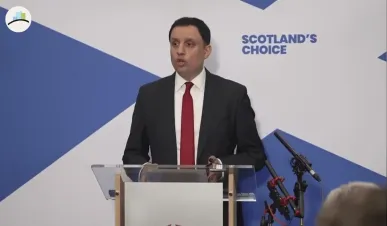
In a striking intervention, Anas Sarwar, leader of Scottish Labour, publicly urged Keir Starmer to step down as prime minister — a move almost unheard of from a senior party figure so close. Sarwar said the situation in Downing Street was “not good enough” and that Starmer’s leadership was becoming a serious distraction ahead of elections.
Sarwar described the decision as painful, highlighting his personal loyalty and long working relationship with Starmer, but said his primary duty was to Scotland and the party’s future prospects.
Blocked me because she’s just as bad as Peter Mandelson…
— Patrick_Woodside.🏳️🌈 (@pjwoodside) February 10, 2026
Pam should resign as an MSP immediately for continuing her friendship with a twice convicted predator
Sarwar said:
She’s fit to continue as an MSP & retain the Labour whip but won’t be a candidate because… pic.twitter.com/wsECZamy5P
Starmer’s Response: Staying in Office
Despite calls to resign from Sarwar and other critics, Starmer has made it clear he is not walking away. Addressing Labour MPs, he said he would continue to fight for his mandate and lead the government, acknowledging mistakes but insisting he remains committed to his role.
Starmer’s message to his party has centred on unity and resilience, even as the resignations and internal pressures mount. Key cabinet members and senior Labour figures, including Deputy Prime Minister David Lammy and Chancellor Rachel Reeves, have publicly backed him amid the storm.
Internal Party Turmoil and Factional Pressures
Beyond the high‑profile resignations, Labour’s internal dynamics have been strained. The soft left Tribune group of MPs has urged Starmer to reshuffle his cabinet to calm infighting and better reflect the party’s diversity of views, particularly after continued criticism of Starmer’s leadership style.
Although there has been no formal leadership challenge, calls for serious change in the government’s direction — or even a switch in leadership — have been growing louder in some corners.
MORE ARTICLES:
What This Means for Starmer’s Future as Prime Minister
The combination of internal resignations, public criticism, and political setbacks has led some commentators and voters to view Starmer’s position as precarious. One recent analysis described him as politically vulnerable, facing low popularity and intense scrutiny during a period of national challenges.
Yet Starmer’s refusal to resign and the continued backing of much of Labour’s top team mean there is no immediate end to his tenure. His leadership will likely be tested further in the coming months, especially as the party navigates domestic issues, public trust, and the approach of key elections.



