
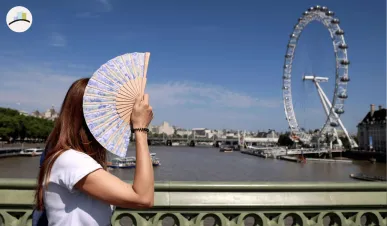
Temperatures are forecast to climb to 34°C as amber and yellow heat-health alerts cover most of England, raising concerns for older people, vulnerable residents and already stretched health services.
England is facing another intense burst of summer heat, with temperatures expected to reach as high as 34°C in London and parts of the South East.
The UK Health Security Agency has activated amber heat-health alerts for London, the South East, the East of England and the East Midlands. Yellow alerts are also in place across the North West, Yorkshire and the Humber, West Midlands and South West.
The warnings began at 9am on Monday, August 3, and are scheduled to remain active until 9am on Wednesday, August 5. The North East is currently the only English region without a heat-health alert.
Where Are Amber Heat-Health Alerts in Place?
The more serious amber-level alerts cover four regions:
- London
- South East England
- East of England
- East Midlands
Amber alerts indicate that significant effects are likely across health and social care services because of the high temperatures.
According to the UKHSA, the heat could contribute to a rise in deaths, particularly among people aged 65 and over and those living with existing health conditions. Younger age groups may also be affected.
Hospitals and care homes could experience dangerously high indoor temperatures, while health services may face greater demand, transport-related staffing problems and difficulties safely storing or managing some medicines.
Which Areas Are Under Yellow Heat Alerts?
Yellow heat-health alerts have been issued for:
- North West England
- Yorkshire and the Humber
- West Midlands
- South West England
A yellow alert means high temperatures could affect vulnerable people and place additional pressure on local health services, although the expected risk is lower than in amber-alert areas.
The UKHSA has warned that overheating homes, hospitals and care facilities could increase the danger for people who struggle to regulate their body temperature or cannot cool their surroundings easily.
How Hot Will England Get?
The highest temperatures are expected across eastern and southeastern England, where sunny spells and light winds will allow the heat to build rapidly.
The Met Office forecast shows temperatures reaching a maximum of 34°C across London and the South East on Monday. London, Reading, Oxford, Basingstoke and surrounding areas are among the places expected to experience the most intense conditions.
Large parts of southern and eastern England are likely to reach the high 20s or low 30s, making Monday the hottest day of the current spell for many locations.
Conditions will be noticeably different further north and west, where cloud, rain and stronger winds will keep temperatures lower.
Warm and Humid Night Could Make Conditions More Uncomfortable
The daytime heat is only part of the concern.
Monday night is expected to remain warm and humid across southern, eastern and central England. Some towns and cities may struggle to cool down overnight, particularly in built-up urban areas where buildings and roads retain heat.
Warm nights can increase health risks because the body gets less opportunity to recover from high daytime temperatures. Homes that have absorbed heat throughout the day may also remain uncomfortable well after sunset.
The Met Office said isolated showers or thunderstorms could develop across parts of eastern, southeastern and central England, although many southern areas are expected to remain dry.
Will the Heat Continue on Tuesday?
Temperatures are expected to ease slightly on Tuesday, but southern and eastern England will remain warm and humid.
Highs of around 28°C to 30°C are forecast in parts of the south and east. Cloud may increase through the day, bringing the possibility of scattered showers or an isolated thunderstorm.
Northern and western parts of the United Kingdom face a much wetter picture. Scotland, Northern Ireland, northwest England and Wales could experience heavy showers, thunder and locally intense downpours.
A yellow thunderstorm warning has also been issued for Northern Ireland, while northern Scotland could experience prolonged rain and stronger winds.
Why Have Heat-Health Alerts Been Issued?
Heat-health alerts are issued jointly through a system operated by the UKHSA and the Met Office.
They are designed primarily to warn hospitals, care providers, emergency responders, local authorities and community organisations when temperatures could affect public health.
They are not exactly the same as standard weather warnings. A weather warning focuses more broadly on disruption caused by conditions such as storms, flooding or extreme temperatures. A heat-health alert specifically measures the possible effect of hot weather on people and health services.
Amber alerts suggest significant impacts are likely. Yellow alerts indicate that adverse effects are possible, particularly among vulnerable groups.
Who Is Most at Risk During the Heat?
Anyone can become unwell in very hot conditions, but some people face a significantly greater risk.
Those considered particularly vulnerable include:
- People aged 65 and over
- Babies and young children
- People with heart, lung, kidney or circulatory conditions
- People living with diabetes or other long-term illnesses
- People taking certain medicines
- Pregnant women
- People who are homeless or socially isolated
- Residents of top-floor flats or poorly ventilated homes
- Outdoor workers and people exercising in direct sunlight
Family members and neighbours are being encouraged to check on anyone who may struggle to stay cool independently.
The danger can increase when homes overheat, access to drinking water is limited or people remain exposed to direct sunlight during the hottest part of the day.
How to Stay Safe as Temperatures Reach 34°C
Health officials recommend avoiding direct sunlight between 11am and 3pm, when UV levels and temperatures are often at their highest.
People should drink water regularly, limit alcohol and move strenuous activities such as exercise, gardening or walking pets to the cooler early morning or evening hours.
Curtains or blinds should be closed in rooms facing the sun. Windows should generally remain shut when it is hotter outside than indoors and opened later when external temperatures fall.
Loose, light-coloured clothing, sunglasses and a wide-brimmed hat can reduce exposure when travelling outdoors. Sunscreen should be applied generously and reapplied when necessary.
The government also advises checking on older relatives, neighbours and people with underlying medical conditions during extended periods of hot weather.
Signs of Heat Exhaustion People Should Not Ignore
Heat exhaustion can develop when the body becomes too hot and loses excessive water and salt.
Symptoms may include:
- Dizziness or tiredness
- Headache
- Nausea or vomiting
- Heavy sweating
- Pale or clammy skin
- Muscle cramps
- Intense thirst
- Irritability
- A raised body temperature
A person showing these symptoms should be moved to a cooler location, given water and helped to cool their skin.
Unnecessary clothing should be removed, and cool water, fans or wrapped cold packs can be used. The person should begin feeling better within approximately 30 minutes.
When Does Heatstroke Become an Emergency?
Heatstroke is more dangerous than heat exhaustion and requires immediate medical attention.
Warning signs include a very high temperature, hot skin without sweating, rapid breathing, a fast heartbeat, confusion, seizures or loss of consciousness.
The NHS advises calling 999 when heatstroke is suspected or when someone does not recover after being cooled and given fluids for around 30 minutes.
Could Thunderstorms Bring Relief?
Some rain and thunderstorms are possible, but they are unlikely to bring immediate relief to every heat-affected area.
Southern and eastern England may experience isolated storms, while heavier and more widespread rainfall is expected further north and west.
Even where thunderstorms occur, warm and humid conditions can continue. Short, intense downpours may lower temperatures temporarily but do not always provide meaningful relief after long periods of dry weather.
The broader outlook suggests more unsettled conditions in northern Britain, while southern England is expected to become somewhat drier and cooler later in the week.
MORE ARTICLES:
-
Franco Baresi Dies at 66: AC Milan Legend’s Death, Health Battle and Football Legacy Explained
-
FCC Chairman Brendan Carr Defends Broadcast License Oversight Amid ABC Dispute
-
Chaos at Moore Park as Gun Scare Sparks Huge Police Response in Sydney
What Happens After the Alerts Expire?
The current heat-health alerts are due to end at 9am on Wednesday, August 5, although they could be updated if weather conditions change.
Wednesday is expected to feel fresher in London and the South East, with breezier conditions and scattered showers. Temperatures should fall from Monday’s peak before drier and more settled conditions return towards the end of the week.
The Met Office’s longer-range forecast suggests temperatures will generally remain above average across southern England. Further hot spells are still possible later in August, although forecast confidence decreases further into the future.
Why This Latest Heat Alert Matters
The alerts arrive during a summer already marked by repeated hot weather, exceptionally dry conditions and increasing pressure on water supplies, agriculture and public services.
The immediate concern is not simply that temperatures will reach 34°C. The greater danger comes from prolonged exposure, warm nights and buildings that remain hot for extended periods.
For most people, the heat may be uncomfortable but manageable. For older residents, people with existing illnesses and those living in overheated homes, however, the same conditions can quickly become dangerous.
The most important steps are staying hydrated, reducing exposure during the hottest hours and checking on people who may be unable to protect themselves.



