
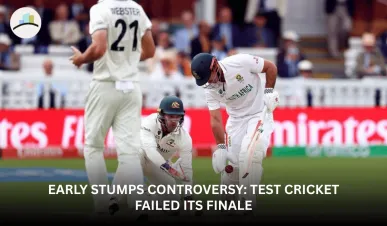
Umpires’ Early Stumps Call at Oval: Cricket’s Rules Breaking a Boxing Ring’s Heart?
When match officials prematurely ended Day 4 at The Oval—with England pushing for victory and India mounting a fight-back—former captains Nasser Hussain and Dinesh Karthik didn’t just voice frustration. They accused the umpires of lacking common sense, and argued vehemently that the Test deserved a cinematic finale, not a bureaucratic pause.
Why This Moment Matters
This wasn’t just a cricket match. It was a test of momentum, nerve, and human drama played out over hours. With a sold-out ground, England needing just 35 runs, and India still with four wickets to take, the context was electric. Calling stumps early robbed millions of a potential test match climax and set the tone for debates beyond just the sport.
What Is Being Missed by Most Commentators
1. Unused Legal Extensions
Cricket rules permit an optional 30-minute extension if both teams agree or circumstances warrant. That didn’t happen. Neither captains nor umpires sought input—even though conditions cleared soon after the bad-light call.
2. Viewership Ignored on a Workday
Hussain pointed out the irony: Sunday play was called off early over light—yet Mondays are workdays, keeping many away from stadiums anyway. That skipped opportunity for maximum fan engagement, live emotion, and closure felt dismissive.
3. Psychological Blow over Physical Conditions
For India’s bowlers exhausted from the grind, the pause was a reprieve. For England’s batters under heat, it broke rhythm. That shifting energy—even before Day 5—could wiggle outcome probabilities in subtle yet material ways.
Risks Buried and Rare Opportunities
-
Risk: Umpiring viewed as too rigid may erode trust from players and fans alike. Next time, every stop-play decision could be second-guessed.
-
Risk: The fan experience is progressively part of broadcast value. Ignoring emotional beats may highlight cricket’s inability to evolve with audience/spectator needs.
-
Opportunity: A moment like this could spur cricketing boards to recast play-extension protocols, involving teams and spectators in decisions that shape outcomes.
-
Opportunity: Reframes the debate around cricket officiating—perhaps spurring future revisions to how and when light or weather decisions are made in key matches.
MORE ARTICLES:
Historical Parallels
This echoes moments like the 1993 tied Test or the 2001 Kolkata drama—matches torn apart by weather or delay, but remembered for failed decision-making rather than on-field action. The Oval stoppage might join those ranks—not for what happened, but what didn’t.
Final Take
The early stumps call at The Oval was more than a technicality—it was a test of cricket’s ability to balance protocol with theatre. When experts like Hussain and Karthik lambast a decision as lacking common sense, it should spark deeper discussion—is Test cricket preserving tradition or preserving itself?



