
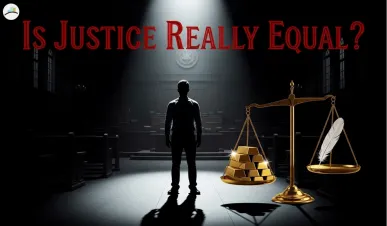
The legal world is in shock after Charlie Kirk’s suspect was granted special court privileges, causing public anger to erupt. Thousands of people are voicing their frustration on social media, asking whether this is evidence of a two-tiered justice system one where the rich and powerful are treated differently than ordinary citizens. The decision has brought forward urgent discussions about whether the U.S. justice system is truly impartial or if it favors those with influence.
Related Articles
Freedom or Favoritism? Charlie Kirk Case Sparks New Courtroom Debate
Why This Is a Big Deal
The decision to grant the Charlie Kirk suspect special treatment isn’t just a legal matter; it’s a political flashpoint that has ignited widespread public anger. People are questioning whether justice in the U.S. is really blind, as it is often claimed, or if powerful individuals are given preferential treatment. This ruling has caused a firestorm of debate, especially because it involves a high-profile figure with connections, making the public’s concerns about inequality even more pronounced.
Here’s why this controversy is grabbing the public’s attention:
-
Unequal Treatment: Many people believe this case is a clear example of the rich and powerful receiving special privileges in the courtroom.
-
Public Outcry: Social media is filled with angry posts, calling for accountability and reform in the justice system.
-
Deepening Distrust: The ruling has further fueled the growing distrust that many Americans feel about their legal system’s fairness, especially when it comes to high-profile figures.
Key Highlights of the Case:
-
Court Decision: The suspect, tied to Charlie Kirk, was granted special privileges in court, including lenient treatment not typically afforded to others.
-
Social Media Explosion: As soon as the ruling was announced, social media platforms were flooded with opinions, memes, and hashtags calling out the decision as unjust and biased.
-
Demand for Change: The outcry has sparked calls for judicial reforms and more transparency in how courts handle cases involving powerful individuals.
🚨 BREAKING NEWS: Judge ruled Charlie Kirk’s killer can wear “normal” clothes in court and blocked cameras from filming his arrival or exit.
— Emma_Mitchem 🇺🇸 (@emma_mitchem) October 27, 2025
Insane! pic.twitter.com/0h5cTH1uae
MORE ARTICLES:
The Growing Divide: Is Justice Truly Blind?
The public outrage centers around the question: Is justice really blind, or are some people given special treatment because of their social standing or connections? This case has opened up a much larger discussion about inequality in the U.S. justice system, which many believe is becoming increasingly favorable to the elite.
Why This Matters:
-
Erosion of Trust: Many Americans are losing trust in the fairness of the system, especially when high-profile figures seem to escape harsher penalties.
-
Privilege in Court: This case is just one example of a growing perception that privilege plays a significant role in legal outcomes for influential individuals.
-
Scrutiny on Legal Decisions: Legal experts and ordinary citizens alike are beginning to question whether certain individuals, based on their wealth, connections, or public profile, are allowed to bend the rules that the rest of society must follow.
Key Questions Raised by the Incident:
-
Is this case indicative of a wider problem of inequality in our justice system?
-
How many more individuals are receiving special treatment in the courts?
-
What can be done to restore fairness in legal proceedings for everyone?
The Public’s Response:
The reaction has been swift and intense. The online backlash shows that many people are feeling disillusioned by the idea that the justice system is not serving all citizens equally. Thousands of tweets, Facebook posts, and comments are filled with frustration, with many demanding action against what they see as an abuse of power. The hashtag #JusticeForAll has started trending, with people sharing their thoughts about the unequal treatment of individuals based on their status.
Key Points from the Public Response:
-
Social Media Uprising: Fans, activists, and ordinary citizens alike are demanding accountability for what they see as a flawed system.
-
Viral Posts: People are voicing their concerns using hashtags like #JusticeForAll and #EqualityInCourt, spreading their frustration about unequal treatment in the courts.
-
Calls for Reforms: The growing discontent is leading to increased calls for judicial reforms to ensure fairness and transparency in legal decisions.
What’s Next for the U.S. Justice System?
The controversy surrounding this case is not likely to fade anytime soon. In fact, it’s sparked conversations about the need for reforms to ensure that justice is applied equally to everyone, regardless of their wealth or social status. As the public’s anger continues to grow, more and more people are calling for accountability, transparency, and a complete overhaul of the system to ensure fairness for all.
This case could serve as a turning point, leading to a larger movement for legal equality, where no one no matter how powerful is above the law.



