
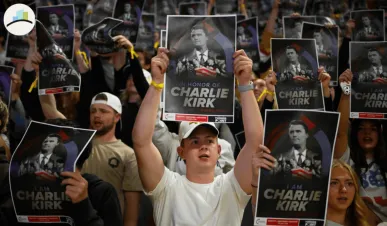
The ongoing case of conservative commentator Charlie Kirk has ignited a firestorm of debate about fairness in the courtroom. As the trial continues to capture media attention, the growing question is: Does fame and political influence affect the way the justice system operates? Is there a double standard when it comes to how public figures and average citizens are treated in court? This case is raising important concerns about justice inequality and whether the media spotlight and political leanings of the accused can tilt the scales of justice.
Related Articles
Charlie Kirk Suspect Gets Court Privilege: Is Justice Really Equal?
The Case That Has Everyone Talking
Charlie Kirk, the founder of the conservative group Turning Point USA, has found himself at the center of a legal battle that has drawn significant attention due to his public persona. As more details emerge about the case, one thing is clear: the political and media landscape surrounding Kirk could be influencing his treatment in the courtroom. If he weren’t famous, would the rules be the same?
Here are some key points about the case:
-
Political Influence: Kirk's conservative views have made him a prominent figure in U.S. politics. But does his status as a public figure allow him to receive special treatment in legal proceedings?
-
Media Coverage: With media outlets covering the case 24/7, there’s concern that the constant media attention might lead to prejudgment or skewed perspectives from the public and the jury.
-
Legal Fairness: As Kirk's case continues, critics argue that the court of public opinion may have already influenced the fairness of the trial. If this were a lesser-known individual, would they have received the same treatment?
MORE ARTICLES:
Why This Case Is Raising Eyebrows
For many, the case brings to light deep concerns about the fairness of the justice system. Should political influence and media attention play a role in how justice is served? If the case were less publicized, would the court proceedings be handled differently? Here are some troubling questions:
-
Is the law applied equally to everyone?
In a system that is supposed to be impartial, the treatment of high-profile individuals raises concerns about justice inequality. -
Does media pressure affect courtroom decisions?
The media’s constant presence during Kirk’s case has undoubtedly influenced public opinion. But could it be influencing the jury or even the judge? -
How much does fame matter in legal outcomes?
The case has sparked concerns that fame might allow public figures to escape the same legal consequences faced by ordinary citizens.
The Bigger Picture: Is the Justice System Broken?
This case, while centered on one individual, brings to the forefront a broader issue about the fairness of the U.S. justice system. Media coverage, political affiliations, and public opinions are undoubtedly shaping this case, but are they having a negative impact on the impartiality of the legal process? With high-profile trials being put under the microscope more than ever, this case could lead to a larger discussion about how the justice system treats public figures versus everyday citizens.
BREAKING🚨: In the Charlie Kirk case, the judge ruled that the suspect can wear street clothes in court but denied the request to remove restraints. Additionally, cameras are prohibited from recording Robinson during courtroom entrances and exits.
— Melissa Hallman (@dotconnectinga) October 27, 2025
Robinson claimed these measures… pic.twitter.com/81eVtQggCj
What’s Next?
As the trial progresses, many will continue to ask: Is this just a case of political favoritism, or is it a deeper issue within the justice system? With political influence playing a role and media attention heightening public awareness, this case could become a pivotal moment in the fight for fairness and equality in the courtroom.



