
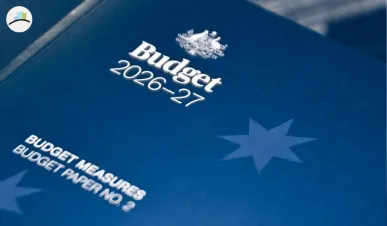
Australia is heading into what many economists, homeowners and investors are calling one of the most important federal budget nights in recent history, with Treasurer Jim Chalmers expected to unveil major housing and tax reforms that could reshape the property market for years to come.
At the centre of the storm are proposed changes to:
- negative gearing
- capital gains tax (CGT)
- investor tax concessions
- and housing affordability policies
LIVE NOW: Budget Day coverage on The Point Live with Amy Remeikis, Chief Political Analyst at The Australia Institute.
— Australia Institute (@TheAusInstitute) May 12, 2026
Follow our live coverage of the 2026 Federal Budget tonight.
All the day's events, with factchecks, as it happens on The Point ⬇️https://t.co/Y45Fpv3cOp pic.twitter.com/wvGnWciNpe
For weeks, rumours and leaks around the 2026 Australian federal budget have dominated political debate, but tonight’s official announcement could finally confirm whether Labor is prepared to take on some of the country’s most controversial tax settings.
What Time Is the Federal Budget Tonight?
Treasurer Jim Chalmers is scheduled to hand down the 2026 federal budget tonight in Parliament House, Canberra, during the traditional Budget Night address. The speech is expected to begin around:
- 7:30 PM AEST (Canberra/Sydney/Melbourne time)
Australians are expected to closely watch the announcement because this budget is being described as a major “reform budget” focused heavily on housing pressures, tax changes and cost-of-living concerns.
Why Housing Has Become the Biggest Budget Battleground
Housing affordability has become one of the biggest political issues in Australia.
With soaring property prices, rising rents and younger Australians struggling to enter the housing market, the Albanese government has increasingly argued that the current housing and tax systems are “not working” for many Australians.
Jim Chalmers himself admitted ahead of the budget that:
the housing market and tax settings are “out of whack”
That statement immediately intensified speculation that major changes to property investor tax concessions were coming.
Negative Gearing Changes Could Become Reality
One of the biggest expected changes involves negative gearing.
Negative gearing currently allows property investors in Australia to offset investment property losses against their taxable income, reducing tax payments. Critics argue the policy mainly benefits wealthier investors and pushes up housing prices, while supporters say it helps increase rental supply.
Reports suggest the government may:
- restrict negative gearing benefits to newly built homes
- phase out tax advantages for future purchases of existing properties
- grandfather existing investors so current arrangements remain protected
If confirmed, this would mark one of the biggest property tax reforms Australia has seen in decades.
MORE ARTICLES:
Capital Gains Tax Changes Could Hit Investors Hard
Another major talking point is the expected overhaul of the capital gains tax discount.
Currently, Australians who hold assets like investment properties or shares for more than 12 months receive a 50% CGT discount. But reports indicate the government may replace that system with a new inflation-linked model for future investments.
Economists say the proposed changes could:
- reduce speculative property investment
- improve housing affordability
- and potentially cool house prices
However, critics warn the reforms could discourage investment and create uncertainty in the housing market.
Why This Budget Is Becoming So Politically Risky
The controversy surrounding the budget is especially intense because Labor previously signalled it would not touch negative gearing or capital gains tax settings before the election.
Now, opposition figures and some investors accuse the government of breaking promises as pressure mounts over housing affordability and economic inequality.
At the same time, supporters of reform argue Australia’s tax system heavily favours property investors over first-home buyers and younger Australians trying to enter the market.
The debate has effectively turned Budget 2026 into more than just an economic update it has become a broader argument about who the Australian economy currently works for.
Other Big Budget Measures Expected Tonight
Alongside housing reforms, reports suggest the federal budget may also include:
- cost-of-living relief
- tax offsets for workers
- fuel support measures
- housing infrastructure spending
- small business tax support
- NDIS savings reforms
- productivity and migration initiatives
The government is also expected to continue focusing on building more homes as part of its broader housing supply targets.
Could These Changes Actually Lower House Prices?
Economists remain divided.
Some analysts believe changes to negative gearing and CGT concessions could reduce investor demand and improve affordability for first-home buyers over time. Others warn the changes may reduce rental supply or create short-term instability in the market.
What’s clear is that tonight’s budget could become a defining moment for Australia’s housing debate.
And whether people support the reforms or oppose them, millions of Australians will likely feel the impact.



