
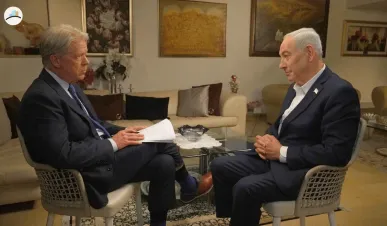
Israeli Prime Minister Benjamin Netanyahu is once again at the center of global political discussion following his widely watched interview on 60 Minutes, where he addressed the ongoing Iran conflict, U.S.-Israel relations, and responsibility for the October 7 Hamas attacks.
The interview quickly became a trending topic across the United States and international media, with viewers closely analyzing Netanyahu’s comments on military strategy, diplomacy, and the future of the Middle East. His appearance arrives during one of the most sensitive geopolitical moments in recent years, as tensions involving Iran, Israel, and global powers continue to escalate.
Netanyahu Warns Iran Conflict Is Far From Finished
During the interview, Netanyahu made it clear that Israel does not believe the threat from Iran has ended. He argued that Iran’s nuclear ambitions remain a major concern and suggested that military pressure alone may not fully eliminate the risks posed by Tehran’s weapons programs.
According to Netanyahu, Israel will continue monitoring Iran closely and is prepared to take further action if necessary. His remarks reinforced fears that the current ceasefire environment in the region could remain unstable for the foreseeable future.
🚨 HOLY CRAP. A FOREIGN PRIME MINISTER just told American media YOUR war isn't over, and casually floated sending YOUR sons into Iran to grab uranium.
— Space Ape (@EatDaBugs) May 10, 2026
NETANYAHU: "It's not over."
"You go in and you take it out."
REPORTER: With what? Special forces from Israel? From the United… pic.twitter.com/pcvTwJ80Xo
The comments also highlighted growing international concern over nuclear security, missile development, and the possibility of broader regional conflict.
Israeli Leader Discusses Reducing Dependence on U.S. Aid
One of the interview’s most surprising moments came when Netanyahu spoke about Israel eventually becoming less dependent on American military assistance.
For decades, U.S. military aid has been a key part of the strategic partnership between both countries. However, Netanyahu suggested that Israel should strengthen its own economic and defense independence over time.
The statement immediately sparked discussion among political analysts and foreign policy experts in Washington. Some viewed the comments as a sign of confidence in Israel’s military capabilities, while others interpreted them as an attempt to reshape the long-standing alliance amid changing political attitudes in the United States.
The issue of American support for Israel has become increasingly debated in recent years, especially among younger voters and progressive political groups.
MORE ARTICLES:
Netanyahu Accepts “Some Responsibility” for October 7
The interview also drew attention because of Netanyahu’s comments regarding the October 7 Hamas attacks.
For the first time in a major international television appearance, Netanyahu acknowledged carrying “some responsibility” for the events that led to the attacks. However, he also emphasized that accountability should extend across Israel’s intelligence, military, and political institutions.
The statement is expected to intensify domestic political pressure inside Israel, where critics have continued questioning the government’s handling of national security before the attacks occurred.
Supporters of Netanyahu argue that the security failure involved multiple agencies and systemic issues rather than a single political leader.
Iran, Trump, and Middle East Strategy
Netanyahu’s interview also touched on broader geopolitical issues involving Iran and former U.S. President Donald Trump.
The Israeli prime minister stressed that preventing Iran from developing nuclear weapons remains one of his government’s highest priorities. He also signaled support for maintaining strong pressure against Tehran through military readiness and international diplomacy.
The discussion comes at a time when global leaders are trying to balance diplomatic negotiations with growing fears of military escalation in the Middle East.
Energy markets and global shipping routes remain sensitive to developments involving Iran, particularly around the Strait of Hormuz, one of the world’s most important oil transit regions.
Why ‘Netanyahu 60 Minutes’ Is Trending Online
Searches related to “Netanyahu 60 Minutes” surged because the interview combined several of the world’s most urgent political issues into one televised conversation.
The broadcast focused on:
- The Iran conflict
- Israel’s military strategy
- U.S.-Israel relations
- Accountability for October 7
- Nuclear tensions in the Middle East
The combination of war, diplomacy, and political accountability turned the interview into a major international media event within hours of airing.
Clips from the discussion spread rapidly across social media, generating strong reactions from both supporters and critics of Netanyahu’s leadership.
Global Political Reactions Continue
Political leaders, analysts, and international observers are continuing to debate the significance of Netanyahu’s remarks.
Supporters praised his firm position on Iran and national security, while critics warned that aggressive rhetoric could increase instability across the region.
The interview also renewed discussion about the future of U.S. foreign policy in the Middle East and the evolving relationship between Washington and Jerusalem.
As regional tensions remain high, Netanyahu’s appearance on 60 Minutes has once again placed Israel’s security policies and Iran strategy at the center of global attention.



