
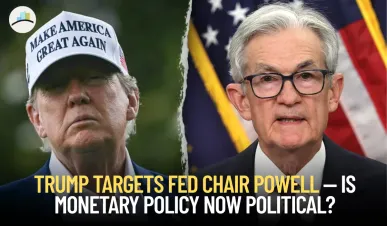
Wall Street futures showed modest gains Wednesday as investors processed the growing possibility of President Trump moving to replace Federal Reserve Chair Jerome Powell—with markets keenly focused on how this could reshape monetary policy.
A Political Flashpoint in U.S. Monetary Policy
Trump’s push to pick Powell’s successor months before his term ends isn’t just political theater—it strikes at the heart of the Fed’s independence. By pre-selecting a candidate aligned with his desire for aggressive rate cuts, Trump signals he wants direct control over interest rates. That’s a stark departure from the norm and sets up a high-stakes institutional battle—with implications for everything from inflation to international confidence in U.S. financial leadership.
Why this matters: The Fed has long been a sanctuary from politics. Undermining it now could unsettle global investors, drive borrowing costs higher, and erode U.S. financial credibility.
What’s Not Being Covered Enough
Currency-War Concerns
A politically motivated dovish Fed pick could trigger a slump in the dollar, provoking rival central banks to fight back with lower rates or currency interventions. That push–pull can fuel unpredictability in global markets and unsettle emerging economies with dollar-denominated debt.
Mortgage Market Fallout
A dovish Fed typically pushes down bond yields—but if markets suspect political motivation, yields may actually rise as risk premiums increase. Mortgage rates could stay higher longer, frustrating homeowners and affecting consumer spending and housing investment.
Hidden Risks & Opportunities
| Theme | Risk Outcome | Opportunity |
|---|---|---|
| Fed Independence | Erosion leads to volatility and inflation fears | Potential growth boost if managed with credibility |
| Dollar Weakness | Asset bubbles, rising commodity costs | Stronger U.S. exports and corporate earnings |
| Yield Curve | Inverted or steeper curves disrupt bond markets | Short-end cuts boost bank margins amid inflation gains |
More Articles:
Historical Echoes — Nixon’s Overreach
Recall 1972, when President Nixon pressured the Fed before the election, leading to stagflation and skyrocketing inflation later. Today’s situation echoes that era: political interference could spark similar economic instability if unchecked.
What to Watch
-
Republican response: Will Senate Republicans defend Fed autonomy or align with Trump?
-
Market signals: Watch the U.S. dollar index and bond yield spreads—early warning signs of trouble.
-
Candidate credibility: Watch early favorites like Waller or Bessent. Their reputation affects both policy trajectory and market trust.
Why It’s Important
-
For finance: This moment could pivot U.S. monetary policy toward open contests between politics and economics.
-
For investors: Yield curve dynamics and currency risks are reshaping portfolios.
-
For consumers: Mortgage rates, savings yields, and the affordability of credit hang in the balance.
This article is for informational purposes only and does not constitute financial or investment advice. Readers are advised to conduct their own research or consult a professional before making any financial decisions.



