
Why the Capitol Medicaid Protest Was a Bigger Deal Than It Looked
What really happened?
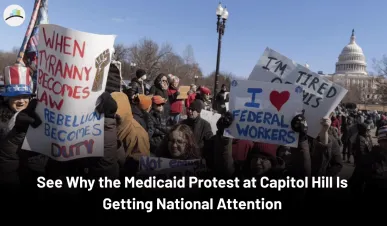
So, this week something pretty powerful went down in Washington, and honestly, it didn’t get as much attention as it should have. Around three dozen protesters—some in wheelchairs—were arrested right inside the Russell Senate office building. They were there to speak out against the Medicaid cuts in President Trump’s new budget proposal.
They didn’t go in shouting or causing chaos. It was peaceful, but intense. The signs were clear: “No Cuts to Medicaid.” Some protesters literally had medical equipment with them. Still, Capitol Police stepped in and arrested them. And those images? They made a lot of people stop and think.
🚨MAJOR BREAKING: Moments ago at the Russel Senate Office building Medicaid activists in wheelchairs were arrested by Capitol police for staging a sit in. Their banner was snatched and their wrists tied with zip ties.#WeWontGetOverLosingMedicaid pic.twitter.com/a7MNtqilSV
— CALL TO ACTIVISM (@CalltoActivism) June 25, 2025
Why now, and why it matters
It’s not random. The Senate is about to make some big decisions on funding, and Medicaid is on the chopping block. That means programs for low-income people, seniors, and people with disabilities could take a big hit. And these folks aren’t waiting quietly to see it happen. They’re showing up, even if it means getting arrested.
What’s important is that this protest happened inside the building where the laws are made. That’s bold. It’s like they were saying, “If you’re going to take away care that keeps us alive, we’re not going to sit quietly on the sidelines.”
What people aren’t talking about enough
Most headlines just said: “Protesters arrested.” But there’s more to it. First, these weren’t paid activists. These were people whose lives are actually impacted by Medicaid—many living with disabilities, many at real risk if the program is slashed.
Second, the response by the authorities was a bit harsh for a peaceful protest. There’s a real conversation to be had about how civil disobedience is handled, especially when it’s coming from people asking for basic healthcare, not power or money.
Also, the protest might have been small, but the ripple effect is big. These images and videos are now spreading online. And lawmakers—especially those in swing states—might feel more pressure than they expected.
More Articles:
The real-life consequences if Medicaid is cut
Let’s break it down a bit. If Medicaid funding is cut:
-
Millions could lose coverage, especially children, seniors, and low-income families.
-
Hospitals and states would end up paying more for emergency care.
-
People with chronic illnesses might not afford their treatments anymore.
-
States could be forced to make tough budget choices—cut services, raise taxes, or both.
It’s not just numbers on a spreadsheet. For many, this is about survival.
A moment that could shape what happens next
What we saw in that Senate building might be the start of a bigger wave. Protests like this tend to build momentum, especially when they tap into basic needs like health. This could end up being a turning point—not just for the Medicaid budget, but for how people push back against government decisions that feel unfair.
With the Senate working on this budget in the coming days, and more protests possibly on the way, there’s a chance this story could get a lot bigger. Lawmakers who ignore the human cost might face real political pushback later.
Final thought
This wasn’t just another protest. It was a reminder that even in quiet, civil moments, people can send a loud message. Disabled folks getting arrested while asking to keep their healthcare isn’t something we should scroll past. It’s something we should really think about—especially when those decisions are being made behind closed doors, and the people affected most are the ones shouting the least.



