
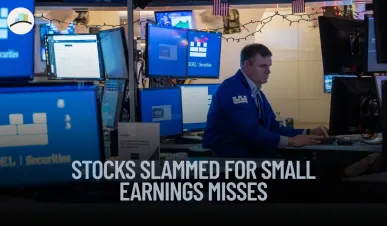
The U.S. equity markets have delivered a near-uninterrupted rally over the past 18 months, primarily fueled by artificial intelligence optimism, resilient consumer spending, accommodative Federal Reserve signals, and an influx of passive investment capital. As a result, the S&P 500 and Nasdaq have not only rebounded from 2022–2023 lows but have surpassed historical valuations. However, this rally has set a new standard: perfection.
In a sharp reversal from the post-COVID era when companies were granted leniency for supply-chain challenges or inflationary pressures, investors in 2025 are showing little patience. Missing earnings expectations—even marginally—now invites swift and severe punishment.
More Articles:
The New Market Psychology: Valuation Fatigue Meets Execution Anxiety
Investors are navigating a more unforgiving market environment in 2025. Previously, the valuation expansion was driven by faith in future narratives—particularly around AI and digital transformation. Now, markets demand real-time validation. Earnings per share (EPS), revenue growth, margin guidance, and capital discipline are no longer technical metrics; they are judgment days for stock pricing.
This transition marks a shift from speculative conviction to execution credibility. Companies are not only expected to beat the “whisper numbers” but also to forecast conservatively and execute flawlessly.
Key drivers of this behavioral change include:
-
Multiple Compression Risk: With valuations stretched, there's minimal room for disappointment. A single earnings miss can shave off weeks—or even months—of price gains.
-
Algorithmic Sensitivity: High-frequency trading systems and quant funds respond to earnings volatility with programmed trades, intensifying reactions.
-
Crowded Positioning: With a small group of tech giants leading the rally, even a mild earnings disappointment can unwind highly concentrated portfolios.
Who Is Most at Risk? Sectors and Stocks Under Microscope
The companies under the most pressure are those that contributed to the rally in the first place. High-growth tech stocks, semiconductors, and AI-adjacent platforms are trading at elevated price-to-earnings ratios. These businesses face the sharpest corrections upon any sign of slowdown or guidance adjustment.
At the same time, mid-cap companies and newer IPOs are seeing disproportionate volatility. They lack the institutional ownership and defensive narratives that buffer larger firms.
Examples of vulnerable profiles:
-
AI Narrative Plays: Companies with inflated valuations purely from AI association are particularly exposed. Without real earnings delivery, the narrative premium evaporates instantly.
-
Consumer Discretionary Mid-Caps: Brands that saw post-pandemic demand spikes are now facing volume stagnation and increased price sensitivity from consumers.
-
Unprofitable Tech Firms: Cash flow-negative companies are under pressure to cut burn and reach breakeven earlier than forecasted—missing on either front leads to rapid derating.
Implications for Investors: Beyond the Numbers
The brutal repricing of earnings misses is a wake-up call for institutional and retail investors alike. The era of chasing thematic momentum without regard to valuation discipline is waning.
Three key implications stand out:
-
Return of Fundamental Analysis: Investors must now scrutinize earnings reports, not just headlines. The quality of earnings, forward guidance, and cost discipline are more important than YOY percentage growth.
-
Strategic Hedging: Given how quickly sentiment shifts, portfolio managers are leaning on downside protection tools such as put options, inverse ETFs, and sector rotation into defensive equities.
-
New Filters for Stock Picking: In this high-stakes environment, companies with low earnings volatility, recurring revenue models, and shareholder-friendly capital allocation are regaining favor.
What’s Ahead: Short-Term Volatility Meets Long-Term Realignment
The remainder of the 2025 earnings season is poised to be volatile. Companies will face a dual challenge: deliver strong Q2 results and guide Q3 with credibility. In the absence of macro support—especially if bond yields rise or the Fed turns hawkish—markets may penalize even companies that meet expectations but issue cautious forward statements.
This shift in market behavior will also influence corporate strategy:
-
Investor Relations Are Now Risk Management: Companies will increasingly tailor earnings calls and forward guidance language to reduce ambiguity and avoid triggering volatility.
-
Cost Rationalization Becomes a Differentiator: Firms that exhibit expense discipline and gross margin optimization are viewed more favorably, especially if top-line growth slows.
In summary, we are entering a regime where narrative must be backed by numbers. Execution is the new narrative.
The stock market reaction to the impressive start to earnings season has been fairly muted, an ominous sign that much of the good news is priced in https://t.co/MBz1e182UJ
— Bloomberg (@business) July 19, 2025
Differentiated Insights: Not Just History Repeating
Though it might resemble the 2018 “earnings recession” or the 2022 tech correction, the 2025 earnings environment is unique in three ways:
-
AI as the Dominant Macro-Theme: The scale and speed of capital inflows into AI-driven companies are unprecedented. This is creating both structural overvaluation and systemic exposure.
-
Quant-Fueled Feedback Loops: The prevalence of machine-triggered trades means earnings volatility is now faster and more severe than in previous cycles.
-
Investor Sophistication: Retail investors in 2025 are more data-driven and reactive than ever, thanks to real-time brokerage analytics and social sentiment tools.
These structural dynamics mean companies and investors alike must recalibrate faster than in past cycles.
Disclaimer:
This article is intended for informational purposes only and does not constitute investment advice. Procapitas does not provide personalized financial recommendations. Always consult a licensed financial advisor before making investment decisions. Information is based on publicly available sources as of June 2025 and Procapitas’ independent research and analysis.



