
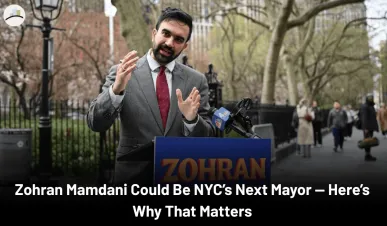
In a surprising turn of events, Zohran Mamdani, a 33-year-old lawmaker, has taken the lead in the Democratic primary for New York City’s mayoral race. He wasn’t the favorite going in — that was former governor Andrew Cuomo, who had way more money, support from old political names, and a comeback narrative. But just hours after voting ended, Cuomo basically admitted defeat.
33 year old Islamist with a degree in "African Studies", Zohran Mamdani,is running for Mayor of New York City
— Bama_Jeans (@bamajayt) June 24, 2025
Pushing
👉$30/hr minimum wage
👉Massive tax hikes
👉City run grocery stores
👉 Gov.housing for everyone
What could possibly go wrong?
🤦🤦😂😂 pic.twitter.com/ysN4kwztfD
Mamdani, a democratic socialist, built his campaign around everyday people — renters, workers, students — and that effort seems to have paid off big time.
Why Are People Choosing Mamdani?
Let’s be honest — people are frustrated. Rents keep going up, transit’s still unreliable, groceries cost more every month, and many feel like local government isn’t doing enough. Mamdani spoke to all that, and he did it in a way that felt direct and down-to-earth.
He didn’t rely on expensive TV ads or fancy endorsements. His campaign focused on talking to people face-to-face, organizing small donations, and staying grounded in issues that actually affect working families.
His main promises include:
-
Free bus rides across the city
-
Publicly funded childcare for everyone
-
Rent freezes to stop displacement
-
City-run grocery stores to cut food prices
-
Raising the minimum wage to ₹2500/hour (or $30/hour) by 2030
These are bold promises, and they hit a nerve with a lot of New Yorkers, especially younger voters who feel priced out of their own neighborhoods.
What Could This Mean Going Forward?
If Mamdani ends up becoming mayor, it could change how New York City is run in a big way. His plans are ambitious, and they’ll cost money. That raises a lot of questions.
Some businesses and wealthy people might consider moving out of the city if taxes go up. That’s a risk. There’s also concern about how the city would balance the budget if too many high-income earners leave. It's happened before in New York’s history, and it's not something anyone wants to repeat.
But if his policies work — if buses become free, housing becomes more stable, and food becomes more affordable — New York could set an example for other major cities. Cities across the U.S. are watching, and what happens next might influence how they approach similar problems.
More Articles:
What No One’s Really Talking About
One part of this story that isn’t getting much attention is how this could reshape the Democratic Party. Mamdani’s campaign didn’t just win votes — it built a whole new kind of energy. People who’ve never been into politics were donating, volunteering, and showing up to vote early.
This kind of grassroots energy might not sit well with the more traditional wing of the party. There could be a lot of tension ahead if Mamdani wins — not just in city hall, but within the broader party itself.
Another thing to think about: making big promises is one thing. Actually running a city is something else entirely. Mamdani will need to work with the city council, unions, and government departments — and that can slow things down or complicate even the best ideas.
What’s Coming Next?
Right now, the official results haven’t been fully certified, but Mamdani is in a strong lead. Cuomo might still try to run as an independent, but if he does, it could just split the vote and confuse the November election.
The current mayor, Eric Adams, is also in the mix — but this time, he’s running as an independent. That makes the general election very unpredictable.
Some key things to watch:
-
Whether Mamdani adjusts his message or sticks to the same bold plans
-
How the business community reacts if he becomes mayor
-
What kind of support or pushback he gets from city government
-
Whether this sparks a similar movement in other cities
Final Word
This election isn’t just about one person winning. It’s about what kind of city New Yorkers want to live in — one that stays with the old way of doing things, or one that tries something totally different.
Mamdani's lead shows that more people are willing to take a chance on new ideas, even if those ideas seem risky. Now it’s all about whether those ideas can turn into real changes — and if New York is ready for that kind of transformation.



