
Trump’s Iran Airstrikes Spark Big Questions About Who Gets to Start a War
So, here’s what’s going on. Former President Trump ordered a round of airstrikes on Iranian nuclear sites without waiting for Congress to approve it. And now, there’s a big argument happening in Washington about whether he had the right to do that. Some people are backing him, saying it was urgent. Others think it’s a dangerous step that skips over the rules about how the U.S. is supposed to go to war.
With Iran and Israel now in a shaky ceasefire, the conversation has moved from military action to something more basic — who actually gets to make these kinds of decisions?
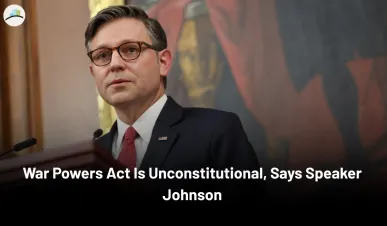
War Powers Act is unconstitutional, Speaker Johnson says https://t.co/5JiupjiYwp
— Terri (@River_City) June 25, 2025
Why This Happened — and What’s the Bigger Deal?
Trump said the airstrikes were necessary because there was a serious threat coming from Iran. He didn’t give many details, but the message was: act fast, don’t wait. Supporters argue the President has the authority to make quick decisions when lives are at risk.
But here’s the thing — Congress never voted on this. And that’s a big deal. The U.S. has a system where war is supposed to be a shared decision between the President and Congress. When one side acts alone, it raises questions about balance and power. And that’s exactly what’s happening now.
What No One's Talking About
Most of the headlines are just about whether Trump had legal clearance to strike. But there’s a bigger issue hiding behind all this. It’s about how much power a President really has — and how often that power gets used without asking anyone.
This kind of thing has happened before. In the past, Presidents have stretched their authority to take military action without waiting for Congress. But it feels like we’ve now reached a point where that’s becoming normal. And if no one challenges it, future Presidents might do the same — or even go further.
And honestly, it’s not just about Iran. If this becomes the new pattern, it could show up anywhere — in Asia, Europe, or anywhere the U.S. has interests.
More Articles:
What Could Go Wrong — and What Could Go Right
Here are a few risks that come with all this:
-
Congress could lose its role in war decisions for good.
-
Other countries might see the U.S. as unpredictable.
-
These kinds of moves could increase tensions or lead to a wider conflict.
But there are also some possible upsides:
-
This moment could finally push Congress to update the rules around military action.
-
It could lead to clearer limits that prevent future overreach.
-
The debate itself might make leaders think twice before acting unilaterally.
What’s Happening in Washington Right Now
Not surprisingly, this has split lawmakers. Some Republicans say Trump did what he had to do. Many Democrats are saying Congress needs to step in and make sure this doesn’t become routine.
There’s talk of hearings. Some people want to bring in military leaders and legal experts to figure out whether this was actually okay under the law. Others are trying to write new rules that would limit how much military power the President can use without permission.
But let’s be real — this debate has been going on for decades. Congress has tried before to set clearer limits, and those efforts usually fade out. The question is: will this time be different?
What It Means Outside Washington
This doesn’t just matter to lawmakers. It could affect oil prices, trade deals, and how other countries view the U.S. If markets think this is leading to a bigger conflict, investors might panic, and that could hit the economy.
And from a global standpoint, the world is watching. Countries want to know if the U.S. has a strong, balanced system — or if major military decisions are being made by just one person.
What to Watch Next
Here are three things that could happen next:
-
Congress might hold official hearings to ask questions and demand answers.
-
New laws could be proposed to limit the President’s war powers, though passing them won’t be easy.
-
How this plays out could shape what future Presidents do when conflict breaks out elsewhere in the world.
Final Thoughts
This whole situation is bigger than just one strike or one President. It’s about the direction the country is heading when it comes to military power and decision-making. If Congress doesn’t step up now, it might lose its say for good. And if that happens, future military actions might happen with even less oversight or debate.
Whether or not you support Trump’s move, this moment is forcing a long-overdue conversation about war, power, and accountability. The next steps will set the tone for how America handles conflict — not just this year, but for many years to come.



