
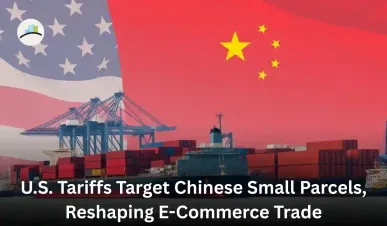
Ever wondered why your favorite bargain buys from Shein or Temu might suddenly seem pricier? The Biden administration just slapped hefty new fees on Chinese parcels under $800—a loophole that’s powered a flood of ultra-cheap goods into the U.S. for years. Sounds like a win for American retailers, right? Well, hang on. There’s more to the story than meets the checkout page.
What Really Happened—and Why It Matters
Remember the “de minimis” rule? It lets small imports (under $800) slip into the country without duties. Originally meant to speed up customs, it’s become the secret sauce behind Chinese e‑tailers’ success: millions of low‑value packages cruise past U.S. borders every month, duty‑free.
But that tidal wave of cheap goods undercut U.S. stores, skirted safety checks, and even raised red flags about labor standards. So, Washington’s response was to crank up tariffs and tighten inspections. It’s sold as protecting American jobs—but it’s also a strategic play to reshape how global trade works before the next election cycle heats up.
Winners, Losers—and the Unexpected Players
-
China’s Fast‑Fashion Kings (Temu, Shein, AliExpress): Their margins are wafer‑thin, based on shipping direct from Chinese factories. These tariffs hit them where it hurts. They’ll either absorb higher costs (hurting profits), pass them to buyers (hurting sales), or scramble to build U.S. warehouses—which eats into those rock‑bottom prices.
-
Bargain‑Hungry Shoppers: About 40% of online buyers rely on these platforms for cheap gadgets, home décor, and clothes. A price jump could sting lower‑income families the most—and we’re already cranking up toward holiday season.
-
U.S. Retailers & Makers: Sure, they’ll cheer the new barriers. But without fresh product ideas, digital savvy, and lean supply chains, they might not gain much beyond a temporary price bump.
-
Logistics & Trade‑Tech Startups: Now here’s the twist—firms that build customs‑compliance software or turbo‑charge parcel tracking suddenly become gold. Everyone from small brands to global sellers will need smarter tools to dodge fines and delays.
"China’s influence on the global economy is incredibly significant," said Jonathan Mitchell, chief operating officer of London Export Corporation, at the Sixth Qingdao Multinationals Summit held from Jun 18 to 20. He warned that trade tariffs hurt everyone—including U.S.… pic.twitter.com/ze9t6X0rpS
— Beijing Review (@BeijingReview) June 19, 2025
The Untold Side Stories
-
Sneaky Shipping Hacks: Shippers could split orders into even tinier parcels or reroute goods through third countries to dodge tariffs, spawning a gray‑market boom nobody’s talking about.
-
Global Legal Grudge Match: Beijing could haul this case to the WTO, arguing it’s an unfair non‑tariff barrier. If China wins, it might force the U.S. to back down—or hit back elsewhere.
-
Greener? Not Really: Ironically, making sellers ship via U.S. warehouses or scatter parcels across alternative routes could hike carbon emissions, not slash them.
A Glimpse in the Rear‑View Mirror
Back in the 1980s, America slapped tariffs on Japanese electronics to protect its own industry—and it worked… for a while. But Japan’s grip on supply chains and tech know‑how only tightened. Today, with China’s digital prowess and sprawling manufacturing base, a unilateral tariff stunt may spark a trade splintering rather than a comeback.
So What Now?
A tariff is just one lever. To truly challenge China’s e‑commerce juggernaut, the U.S. needs bold industrial policies, consumer incentives, and faster digital adoption—not just higher fees at the border. Otherwise, we’ll end up chasing parcels down rabbit holes instead of building a more competitive future.
More Articles



