
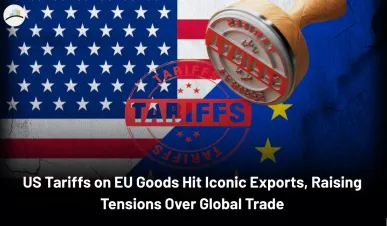
US Tariffs on EU Goods Spark Tensions: The Impact on Whiskey and Cheese Exports
So, here’s what happened: the U.S. just imposed some heavy tariffs on European Union goods, and honestly, it's a pretty big deal. These new tariffs, set to go into effect in August 2025, are going to hit some pretty iconic products—like Irish whiskey and Italian cheese. This move has caused a lot of concern among EU exporters and could have serious consequences for the trade relationships between the U.S. and the EU.
‘30% is untenable’: From Irish whiskey to Italian cheese, Trump's tariff threat rattles EU exporters https://t.co/wLH3xLodyx
— CNBC (@CNBC) July 19, 2025
Why the Tariffs Were Imposed
The U.S. has had a longstanding trade imbalance with the EU, and these tariffs seem like part of a broader effort to correct that. By targeting specific European products like whiskey and cheese, the U.S. is not just trying to balance the trade scales; it’s sending a clear message about what it wants from Europe in terms of trade deals. This kind of economic pressure isn't exactly new, but it feels more direct this time around.
For a while now, the U.S. has been dealing with a complex relationship with the EU—sometimes cooperative, sometimes competitive. With tensions rising on various fronts, including tech and agriculture, tariffs have been used as a way to push Europe into negotiating trade terms that the U.S. prefers. But what’s not getting talked about enough is the risk of this turning into a full-blown trade war. Tariffs could easily lead to retaliation from Europe, which could escalate the situation beyond just cheese and whiskey.
The Immediate Impact on Exports
So, how’s this going to affect things? Well, the 30% tariff is going to make Irish whiskey and Italian cheese more expensive for American consumers. These products are hugely popular in the U.S. market, and now they’re likely going to become harder to afford. For producers in Ireland and Italy, that means lower sales and probably some tough times ahead.
In the short term, businesses in the U.S. that rely on these imports will feel the pressure too—higher prices could drive customers away, cutting into their profits. There’s a ripple effect here, and it’s not just about whiskey and cheese. It’s about the global trade networks that rely on these products moving smoothly across borders.
Hidden Risks and the Bigger Picture
Now, I think the real story here is what’s not being said enough. The immediate effects are obvious: prices go up, and sales drop. But the longer-term risks are what’s really worth paying attention to:
-
A Trade War Could Get Ugly: We’re talking about a scenario where both sides start slapping tariffs on each other’s goods. If that happens, it could lead to higher prices on a lot of things we take for granted—from electronics to food. A trade war also tends to slow down economic growth, and nobody really wins in that situation.
-
Economic Strain on Small Producers: The tariffs might hurt small and medium-sized businesses in Europe the most. Companies that don’t have the resources to absorb these costs or shift markets might end up having to cut jobs or even close down. The large multinational companies can usually ride out these sorts of things, but the little guys? Not so much.
-
Shifting Trade Alliances: If the U.S. and the EU continue to clash, it’s possible that other countries might step in and scoop up the market share that the EU loses. Countries in Asia or South America could start to fill the gap, and that could shift the balance of power in global trade. This might not be such a bad thing for those countries, but it could have long-term effects on the U.S. and Europe’s influence in global markets.
The Bigger Economic Picture
Beyond the food and drink industry, these tariffs are part of a larger trend of protectionist policies that are reshaping global trade. The U.S. seems to be moving away from more free-market trade deals in favor of more control and oversight over its trade relationships. This might be a response to the growing influence of countries like China and Russia, and it’s likely a reaction to concerns over national security in industries like tech and defense.
For businesses, this means that the days of easily trading goods across borders might be coming to an end. The trade agreements that allowed for lower tariffs and fewer restrictions are starting to shift, and companies will need to adapt quickly. If you’re a business leader, it’s time to start thinking about how these changes will affect your operations—not just in the short term, but for the years to come.
More Articles:
What Happens Next?
Looking ahead, this isn’t likely to just blow over. European officials are already warning of retaliation, and it’s possible we could see a series of countermeasures that could escalate tensions further. The next few weeks will likely see some intense negotiations to try and avoid a full-blown trade war, but if the U.S. sticks to its guns, we could be looking at more trade disputes down the road.
For businesses in both the U.S. and the EU, the best move is to start planning for a future where tariffs are a regular part of doing business. Diversifying supply chains, exploring new markets, and adjusting pricing models might be necessary to stay competitive in an increasingly protectionist world.
Conclusion: A New Era in Trade Relations
Honestly, the tariff situation is more than just a trade issue—it’s a symbol of the changing dynamics between global powers. The U.S. seems to be pulling back from the more open, globalized trade system that has defined the last few decades. Whether this is a temporary strategy or the beginning of a longer trend is still unclear. But what’s certain is that we are entering a period where trade deals are going to get a lot more complicated.
In the meantime, the impact on everyday consumers and businesses is already starting to be felt. Higher prices, disrupted supply chains, and a rethinking of how global trade works could become the new normal. The coming months will likely reveal just how much of an effect these tariffs will have on global trade—and on the products we see on store shelves.



