
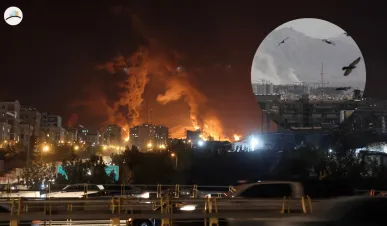
The Middle East is witnessing one of its most dangerous moments in recent years after the United States launched strikes linked to Iranian military operations, increasing fears of a larger regional conflict involving Israel, Lebanon, and Gulf nations.
The escalation comes at a time when tensions between Israel and Iran-backed groups are already running high. Global markets, oil traders, and world leaders are now closely watching the situation as concerns grow over possible retaliation and disruption in the Strait of Hormuz, one of the world’s most important oil transit routes.
US Military Action Intensifies Regional Tensions
Reports suggest the United States carried out precision strikes on locations connected to Iran’s strategic military infrastructure and regional operations. American officials reportedly described the operation as a defensive measure designed to protect allied interests and maintain security in the Gulf region.
The action follows weeks of rising instability after Israel increased attacks against Hezbollah positions in Lebanon. Washington and its allies have repeatedly accused Iran of supporting armed groups across the region and contributing to growing instability.
🇺🇸🇮🇱🇮🇷 Quick Middle East update:
— Mario Nawfal (@MarioNawfal) May 26, 2026
* Trump: Iran must hand over its enriched uranium or have it destroyed.
* Netanyahu: “We will increase the scale of our strikes” on Hezbollah.
* Israel hit 20 targets in hours, killing 7 in southern Lebanon.
* Iran’s president orders internet… pic.twitter.com/pPm3YStyd1
The latest military action marks a significant escalation and has increased concerns that direct confrontation between the US and Iran could become more likely.
Strait of Hormuz Becomes Key Concern
Much of the world’s attention is now focused on the Strait of Hormuz, a narrow but extremely important waterway through which a large share of global oil exports passes every day.
Iran has often warned that any direct military pressure from the United States or Israel could affect shipping movement in the region. Analysts believe the recent strikes may have targeted facilities connected to Iran’s surveillance and operational capabilities near the Gulf.
As news of the escalation spread, oil prices reacted sharply amid fears that instability in the region could disrupt global energy supplies.
Iran Issues Strong Response
Iranian leaders strongly criticized the US operation and accused Washington of pushing the region closer to conflict. Officials in Tehran stated that Iran would defend its national interests and respond to any threats against its sovereignty.
The escalation comes during a sensitive period for diplomacy, with ongoing discussions surrounding Iran’s nuclear program and possible sanctions relief. Iranian representatives were reportedly involved in regional talks aimed at reducing tensions when the strikes occurred.
While Tehran has not officially announced any military retaliation, political observers believe Iran may respond either directly or through allied groups operating across the Middle East.
MORE ARTICLES:
Israel Continues Operations Against Hezbollah
At the same time, Israel has continued military operations targeting Hezbollah positions in southern Lebanon. Israeli authorities claim the group poses a serious threat to national security and accuse Iran of supplying advanced weapons and support.
The overlapping military activity involving both the United States and Israel has led to speculation that pressure on Iran is increasing on multiple fronts simultaneously.
Security experts warn that any major retaliation by Hezbollah or Iran could rapidly expand the conflict beyond current borders.
Nuclear Negotiations Face Fresh Challenges
The latest violence has also created uncertainty around future nuclear negotiations involving Iran and Western nations. Talks surrounding uranium enrichment, sanctions relief, and international monitoring had already faced major disagreements before the recent escalation.
US President Donald Trump has maintained a tough public stance on Iran while leaving open the possibility of negotiations under stricter conditions.
Diplomatic efforts led by Gulf countries are continuing behind the scenes, but analysts say the current military situation could make immediate progress difficult.
Oil Markets and Global Economy on Edge
Global financial markets are reacting cautiously as investors assess the possibility of prolonged instability in the Middle East. Oil traders remain especially focused on the Strait of Hormuz because even temporary disruptions could affect fuel prices worldwide.
Economic analysts warn that continued escalation could increase energy costs, impact international shipping, and create uncertainty across global markets.
Military experts also believe regional security conditions may worsen if additional strikes or retaliatory actions occur in the coming days.
Uncertain Days Ahead
The next phase of the crisis will likely depend on how Iran responds and whether diplomatic channels remain active. Governments across the world are urging restraint as fears grow that the conflict could expand into a wider regional war.
For now, military forces across the Gulf remain on high alert, while global leaders continue monitoring developments closely.
The situation remains highly volatile, and any further escalation could have serious consequences for regional stability, energy markets, and international relations.



