
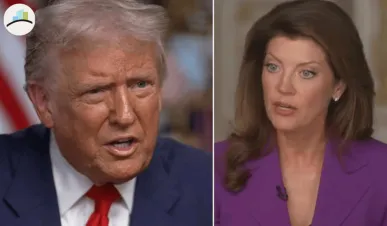
Tension Peaks: Trump Nearly Walks Out of His ‘60 Minutes’ Interview
In a moment of rare volatility, Donald Trump threatened to walk away from his interview with 60 Minutes—an exchange that has since become one of the most talked‑about political TV moments of the year. With cameras rolling and questions pressing, Trump briefly pushed back against the flow of the interview, signaling that he was prepared to walk out rather than continue under uncomfortable questioning. This was no TV stunt—it was a live test of composure, power and what happens when an interview turns into a confrontation.
MORE ARTICLES:
What Went Down: The Build‑Up to the Walkout Threat
From the opening moments, the atmosphere was charged. The host, Norah O’Donnell, directed hard questions on trade, foreign policy and the state of his business ventures. At one point, Trump paused. The transcript later revealed he said something along the lines of: “I could walk away. I don’t have to answer this question.” He repeated that statement several times, clearly signaling that he was weighing leaving. The camera still rolled, and the interview went on—but the threat hung in the air.
Why does this matter? Because it’s unusual. Trump has done many interviews, but threatening to walk away mid‑broadcast adds a new headline‑layer: Either he controls the narrative—or he walks out trying.
Why This Moment Resonates
-
Power On Display: The interview becomes a stage where power isn’t only in the answers—it’s in the threat of silence. Trump showed that his comfort zone has limits, and he laid down a marker.
-
Media Dynamics: By raising the walk‑out scenario, Trump shifted the debate from what’s being asked to who controls the story. That raises questions for journalism, editing and the balance between subject and interviewer.
-
Trust & Perception: For viewers, this moment sparks curiosity—and skepticism. Was Trump dodging a question? Or standing firm on principle? Either way, it invites deeper scrutiny.
-
Political Fallout: Moments like this can harden silence and echo in future coverage, campaign footage and opposition messaging. Walking away—or nearly—becomes part of the narrative.
What Happens Next? The After‑Effects to Watch
-
Full transcript release: Though the interview aired in edited form, the full transcript surfaced online showing undeleted threats and edits. How many “could walk”s and cut‑offs made it?
-
Media discussions: News outlets will dive into segments that were cut, what was left out and who benefited. Editing this interview becomes another story.
-
Political spin cycle: Expect both sides to use this moment. Supporters may say Trump was standing up for himself; critics will say he feared accountability.
-
Interview tactics reset: Future interviewees may push harder. Interviewers may prepare differently. The line between sit‑down and show‑down gets blurrier.
Key Takeaways
-
Donald Trump nearly walked out of his 60 Minutes interview when the questioning intensified.
-
The moment shifts the focus from answers to power play—raising concerns about narrative control and media dynamics.
-
This event isn’t just a headline—it could change how major interviews are conducted, edited and interpreted going forward.
-
For viewers, the big question remains: Was this moment a demonstration of strength—or a signal of vulnerability?



