
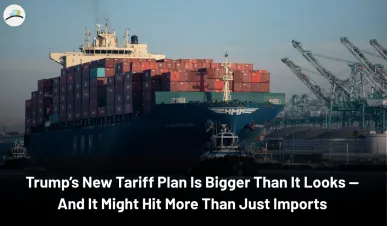
So here’s what happened recently — Donald Trump is back in the headlines with a bold move that’s already getting mixed reactions. He’s bringing in a bunch of new tariffs on imports — stuff like steel, copper, aluminum, and even finished products. And this isn't just about tweaking a few trade numbers. It feels like something much bigger is brewing under the surface.
Let’s break it down, because honestly, this could change a lot more than just what we pay for goods.
Months of Trump’s tariffs are shifting supply chains and diplomatic ties, as countries and companies have been forced to adapt.https://t.co/qFiWhnWcQv
— Pham Quang Vinh (@vinhlhq2015) July 21, 2025
What’s Really Going On Behind These Tariffs?
At first glance, it might look like Trump is just doing what he’s done before — using tariffs to try and protect American businesses. But this time, it feels more strategic. He’s doing it when the economy’s kind of shaky. Inflation’s still a thing, growth isn’t too strong, and the markets are acting nervous.
So maybe this isn’t just about trade. Maybe it’s also a way to send a message to voters — “Look, I’m taking action.” He’s using tariffs not just as a policy but as a signal. Something visible. Something loud. And let’s be honest, he’s known for playing that card pretty well.
What People Aren’t Really Talking About
There’s a lot in the headlines about the tariffs themselves, but not enough about what they might cause next. For example:
-
The government might earn more from these tariffs, sure. But that doesn’t mean everyday people won’t feel the pinch. Companies could raise prices, and that cost lands on us — the customers.
-
Inflation could actually get worse. If materials like steel or electronics cost more, it’s going to affect prices for everything that uses them — from buildings to phones.
-
Big companies are already trying to work around it. Some are sending their goods through other countries or shifting production to places like Vietnam or Mexico. It’s kind of like playing chess with global supply chains.
-
Some U.S. allies aren’t too happy either. Countries like Brazil and China might push back. Others might just quietly move their trade elsewhere. That could hurt the U.S. in the long run.
These aren’t just small changes — they mess with the whole system that businesses rely on.
The Risks Nobody Wants to Talk About
Here’s the part that feels a little risky — and honestly, not many folks are discussing it enough:
-
A slowdown could get worse
The U.S. economy already shrank earlier this year. If these tariffs make things more expensive or harder to sell overseas, we might end up in an even deeper slump. -
Legal battles are coming
Some of the powers Trump is using for these tariffs are already being challenged in court. If judges block some of it, that could create confusion for businesses that just adjusted to the new rules. -
Debt and spending won’t fix themselves
Yes, tariffs bring in money. But they also hurt consumer spending and business growth. And if inflation sticks around, people might cut back — which isn’t good for anyone.
More Articles:
Could There Be Any Upsides?
Funny enough, yes — but it depends on how things play out. A few companies might actually benefit. U.S. manufacturers who’ve been competing with cheap imports could finally catch a break. And countries like Mexico or Vietnam might see more factories coming their way if companies avoid tariffs by shifting production.
There’s also a chance this push encourages some industries to go more local or sustainable. Like, if importing fossil-fuel-based products gets expensive, clean energy or energy-efficient tech might finally get more attention.
But again, this depends on the long game — and whether companies feel confident enough to invest.
Why This Actually Matters
It’s easy to think, “Tariffs again? What’s new?” But this one’s different. This is about the U.S. kind of redrawing the map on how it does business with the world. Trump is making it clear he wants more control, more protection, and less dependence on global suppliers.
But here’s the trade-off — that protection might cost us more, limit choices, and slow things down. The next few months are going to be key. If prices go up, jobs slow down, or other countries start fighting back with their own tariffs, this could get messy fast.
So whether you’re running a business or just buying groceries, this isn’t something to ignore. What started as a trade move might turn into something way bigger.



