
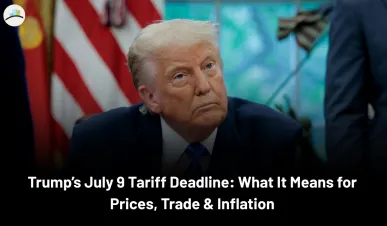
Trump’s Tariff Deadline is Coming — And It Could Change a Lot
So here’s the deal. Back in April, Trump hit pause on some major tariffs for 90 days. That pause is ending on July 9, and now everyone—from global trade officials to regular businesses—is watching what he’ll do next. If no trade agreements are reached by then with countries like the EU, UK, India, and China, those tariffs might come back. And we’re not talking about small changes—some of these tariffs could be as high as 50%.
The White House has said they might give more time to countries that are negotiating seriously, but there’s no clear commitment. So yeah, we’re all kind of in this wait-and-watch mode right now.
Trump’s 90-day tariff pause ends in 13 days
— Kamil (@KamilShaheen19) June 27, 2025
Unless a deal is made by July 9:
▸ EU imports face up to 50% tariffs
▸ China tariffs stay at 30%
▸ Global 10% baseline remains
▸ Reciprocal tariffs return
The trade war could be back on the front page.
Gm pic.twitter.com/HvXW5xEfd9
What’s Actually at Stake?
This isn’t just about politics. These tariffs could affect everyday products, jobs, and prices. Some industries are already dealing with multiple overlapping tariffs—what they call “tariff stacking”—and it’s pushing costs up. Things like cars, electronics, and machinery could become a lot more expensive, fast.
Also, economists say tariffs usually cause inflation to rise after a couple of months. So if tariffs go back up in July, it could make things more expensive for consumers by the time we hit late summer. That could also mess with the Federal Reserve’s plans, especially if they’re trying to get inflation under control.
The Europe Situation
One thing that’s not getting enough attention is how the EU might respond. They’re preparing two different things right now. One is a possible deal—they might lower tariffs on U.S. goods like natural gas and industrial equipment to keep Trump from slapping them with new tariffs. But at the same time, they’re preparing countermeasures worth around €95 billion, just in case talks fall apart.
This back-and-forth shows how sensitive the whole thing is. If the U.S. moves forward with tariffs, Europe could hit back hard, and we’d be in the middle of another trade fight.
More Articles:
Not Just Business — There’s Politics Here Too
Let’s be honest, this whole deadline also fits into Trump’s political strategy. A hard line on trade plays well with his base. But at the same time, if the tariffs cause prices to jump or hurt small businesses, it could turn voters against him. So he’s walking a tightrope—trying to look tough, but maybe not wanting to actually trigger economic pain right before key elections.
Plus, there’s a legal side too. Some of the tariffs from Trump’s last term were challenged in court, and new ones could face similar pushback. So there’s some risk there that hasn’t really been talked about enough.
Could This Be a Good Thing?
Here’s the thing. If the U.S. manages to work out new deals—especially with countries like the EU, UK, or even China—it could actually help American businesses long term. Tariffs could come down in a more organized way, giving companies more clarity. Right now, a lot of businesses are stuck in limbo. They don’t know whether to raise prices, delay shipments, or hold off on hiring.
So, yeah, there’s risk. But there’s also a chance for better trade deals, if this is handled right.
What to Keep an Eye On
There are a few key things worth watching over the next week or two:
-
Will Trump extend the pause for some countries or go all-in with tariffs on July 9?
-
Will the EU offer more trade-friendly terms, or will they go with their €95 billion retaliation plan?
-
Are we going to see signs of inflation creeping in as a result of the uncertainty?
-
What will companies say? A lot of U.S. retailers and manufacturers might start warning customers if they expect price hikes.
Final Thoughts
This whole situation might seem like a high-level trade issue, but it actually hits close to home. If these tariffs come back, prices on everyday items could go up. Companies could slow down hiring. And if trade partners strike back, we could see longer-term economic effects.
What happens in the next 10 days could shape how the U.S. does business with the world for years to come.



