
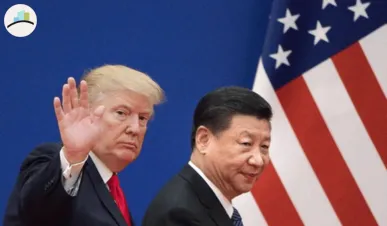
In an unexpected turn of events that has the world buzzing, U.S. President Donald Trump and Chinese President Xi Jinping have reached a historic trade deal that could change the trajectory of global relations, economics, and your daily life. This deal, made during their face-to-face meeting in South Korea, marks the end of a particularly tense chapter in U.S.-China relations and opens up new possibilities for the future. But what does this mean for you, for the world economy, and for global diplomacy? Let’s dive into this monumental moment that everyone’s talking about.
Why This Deal is More Than Just Politics
If you’re like most people, you probably hear the term “trade deal” and think, “Well, that’s for the politicians and the big corporations.” But trust me—this deal is much bigger than just another international agreement between two powerful nations. This is about how the U.S. and China will shape the global economy for years to come. It’s about how it will affect the things you buy, the jobs in your community, and even the prices you pay at the store. This is one of those moments in history that could alter everything from global supply chains to your next shopping spree. So, let’s take a closer look at what actually happened in South Korea.
MORE ARTICLES:
The Deal: What’s on the Table?
So, what did Trump and Xi agree on? Let’s break it down, because the details of this deal are absolutely mind-blowing:
-
Tariffs Are Going Down: The U.S. has agreed to lower tariffs on Chinese goods by 10%—and this includes a specific cut to tariffs on fentanyl-related products. Now, if you’re wondering, “How does this affect me?”—well, it could mean lower prices for many things that you use every day, like electronics, clothes, and even some household goods. The lower the tariffs, the cheaper the products will be. Simple, right?
-
Rare Earth Minerals—A Game Changer for Tech: Here’s something that most people don’t even think about: rare earth minerals. These are critical for everything from the smartphone in your pocket to the electric vehicle you might drive in the future. China has agreed to delay its restrictions on these minerals for a year, meaning that U.S. companies can continue to access these vital materials without disruption. It’s huge for the tech industry—and if you’re someone who follows innovation, this could be the boost tech companies need to take things to the next level.
-
Soybeans Are Back in the Game: If you remember the chaos that came with the trade war between the U.S. and China, you probably recall the devastating impact it had on American farmers. Well, good news for them! China has committed to buying 25 million metric tons of U.S. soybeans each year for the next three years. This is a big deal, not just for farmers, but for global agriculture markets. For anyone who enjoys eating, this affects the prices of food in grocery stores all around the world.
-
Fentanyl Crisis: If you’ve been following the devastating impact of the opioid epidemic in the U.S., you know that fentanyl has been at the heart of it. The U.S. and China have agreed to work together to combat fentanyl production by cracking down on precursors coming from China. This move is one of the most hopeful steps in tackling the opioid crisis in America. The fight against fentanyl is personal—it’s about saving lives and giving communities the opportunity to heal.
A World on the Brink of Change
Now, you might be wondering: What does this mean for the world? If this deal holds up (and there’s still a lot of negotiating to do), it could be the beginning of the end of the trade war that has dominated headlines for years. But this isn’t just about two countries finding common ground—it’s about how the world economy functions moving forward. If the U.S. and China can come together like this, other nations might start looking at trade in a very different light.
Think about it: if these two global giants can settle their differences, maybe other countries can start resolving their own trade disputes too. Global diplomacy could take on an entirely new meaning.
What Does This Deal Mean for You?
You might be wondering, “Okay, this is great for politics and the economy, but what about me?” Well, here’s where it gets interesting. The truth is, this deal has the potential to directly impact your everyday life:
-
Lower Prices: With tariffs going down, many products—from your morning coffee to your phone—could become more affordable. Cheaper electronics and lower-priced goods could finally become a reality.
-
Stronger Economy: This deal could help revive industries that were hit hardest by the trade war, like farming and technology. If things go well, the ripple effect will be felt all around the globe—and it might even boost your job prospects, particularly in tech and agriculture.
-
Fentanyl Control: The deal’s focus on tackling fentanyl is something that impacts every American. By curbing the flow of fentanyl precursors, it’s hoped that fewer people will become victims of the opioid crisis. It’s a win for public health that could save countless lives.
Looking Ahead: What’s Next for the U.S. and China?
So, is this the end of the trade war? Or just a temporary ceasefire before the next round of tariffs? Only time will tell. But one thing’s for sure—this deal changes the game. Trump and Xi have agreed to keep their lines of communication open, and there are even plans for reciprocal visits in 2026. So, don’t think for a second that everything will just be smooth sailing from here.
This is just the beginning of what could be a new chapter in global trade relations. Whether it’s a fresh start or a temporary fix, one thing’s clear: global markets are watching. This deal could trigger a domino effect, with other countries eager to join the conversation.



