
What’s the issue right now?
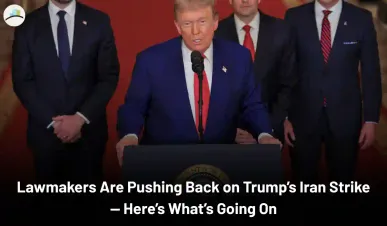
So, after President Trump launched that surprise airstrike on Iran’s nuclear sites, a lot of people in Congress—on both sides, honestly—are not happy. They’re saying, “Wait a second, shouldn't we have been asked before something this major happened?” And they’ve got a point. The War Powers Act is there to make sure presidents don’t just go around starting military operations without Congress being involved. But Trump went ahead without any vote or real warning. Now lawmakers want answers—and maybe even new rules to keep this from happening again.
While most Americans sleep, a political storm is brewing over the surprise U.S. strike on Iran’s nuclear sites. Democrats say the attacks are illegal under the 1973 War Powers Act, with figures like AOC even calling for Trump’s impeachment. Senators Rand Paul and Thomas Massie… pic.twitter.com/171UwTvorB
— Beirut Wire (@beirutwire) June 22, 2025
People aren’t exactly on the same page
Not everyone in Congress is reacting the same way. Some Republicans are fully supporting Trump, saying he did what he had to do. They believe he acted fast to stop a threat. But then you’ve got others—like Senator Tim Kaine—saying this was out of line. He called the decision bad and said most Americans don’t want the U.S. jumping into another Middle East conflict like this, especially not without any discussion or approval. Even Rand Paul, who’s also a Republican, came out strongly against it, saying this is not how war decisions should be made.
Trump’s team says it was urgent — but was it really?
The White House is sticking to its line. They’re saying Iran was just weeks away from developing a nuclear weapon, and the strike was necessary to stop them. But here’s where it gets tricky: U.S. intelligence doesn’t seem to fully agree with that timeline. Some top officials, like Tulsi Gabbard, have said publicly that Iran hasn’t actually restarted their nuclear weapons program. That’s raising some eyebrows. If the urgency wasn’t real, then why go around Congress?
Read More:
Bigger questions about who gets to decide on war
This whole thing is bringing up old debates again—like who really gets to decide if the U.S. goes to war. The Constitution says Congress has that power. But over the years, presidents from both parties have found ways to go around that. The War Powers Act was supposed to fix that, but let’s be real—it hasn’t always worked. Now some lawmakers are trying to bring it back into the spotlight, hoping to pass a new resolution to stop Trump (or any president) from doing this kind of thing again without a proper vote.
Some say this could shape future decisions
Here’s the bigger picture. This moment could actually shape how future U.S. military decisions are made. If Congress manages to push back, it could lead to more limits on presidential power when it comes to using military force. On the flip side, if nothing happens and Trump keeps going this way, it might just become the new normal. Either way, people are paying attention now, and the debate is only getting louder.



